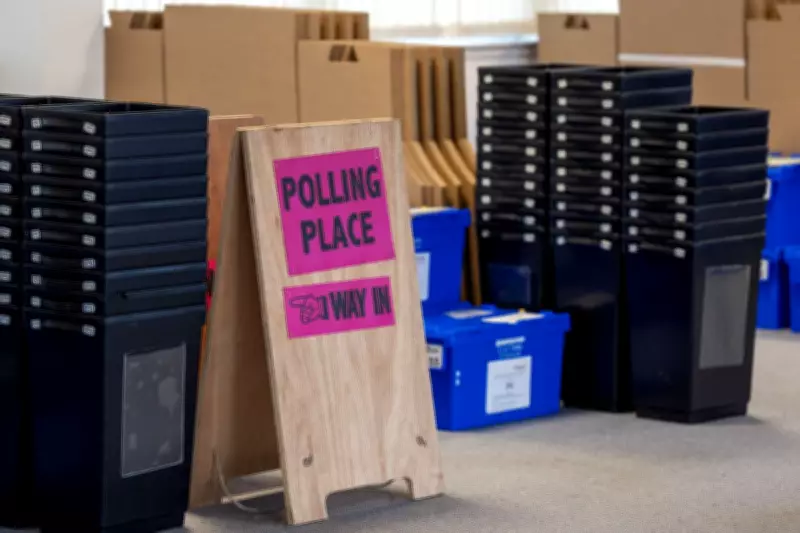
The 2026 Holyrood Election has been described as the "least proportional" Scotland has ever had, according to a professor at the University of Edinburgh. Speaking on BBC Scotland's Sunday Show, Professor of political science Ailsa Henderson explained that proportionality refers to "the way in which the percentage of seats won relates to the percentage of votes earned."
Professor Henderson attributed this year's low proportionality to "split ticket voting," where voters cast ballots for different parties on the constituency and regional list ballots. She noted that while Scottish elections are generally more proportional than UK elections due to the electoral system, this year's results were an exception. "The ability of the list to correct for disproportionality in the constituencies only works if people vote for the same party on the constituency and the list," she said. "And we know that… whether because people genuinely prefer a party that only stands on the list or because they’re trying to game the system in some strategic way, split ticket voting was at an all time high, more than half of people voted for a different party and that figure was about 30% in 2021."
Election Results
The results of the 2026 Scottish Parliament election revealed that the SNP secured 58 MSPs, seven short of a majority and down from the 64 seats won in 2021. Reform UK, which held only one MSP before the election, tied with Labour for second place with 17 MSPs each. This was a decline for Labour, which had won 22 seats five years ago under Anas Sarwar. The Scottish Greens achieved a record high of 15 MSPs, while the Conservatives returned just 12 MSPs, their worst ever result at Holyrood and a significant drop from 31 seats at the last election. The Scottish Liberal Democrats increased their total to 10 MSPs.

Volatility and Historical Context
Professor Henderson also highlighted that this year's election was "twice as volatile" as the 2011 election, which saw the SNP secure the Scottish Parliament's only majority. She remarked, "We wouldn’t expect it to be, because it was an election that returned a sitting government, but it was, in fact, the most volatile election we’ve ever had." This volatility, combined with record split-ticket voting, underscores the shifting political landscape in Scotland as parties recalibrate their strategies ahead of future elections.