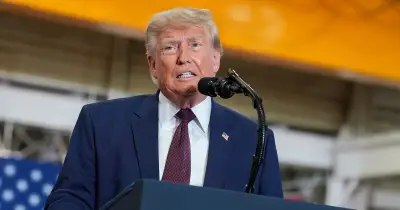
Global markets have become accustomed to Donald Trump's posturing, but economists warn they may be complacent in expecting a short conflict in the Middle East. A week after US and Israeli missile strikes on Iran, fears grow that the war could become protracted.
In economic terms, the war has triggered a worst-case scenario: the closure of the Strait of Hormuz, through which a fifth of the world's oil and gas supplies travel. The global oil price has jumped 17% to over US$85 a barrel, sending shockwaves through financial markets.
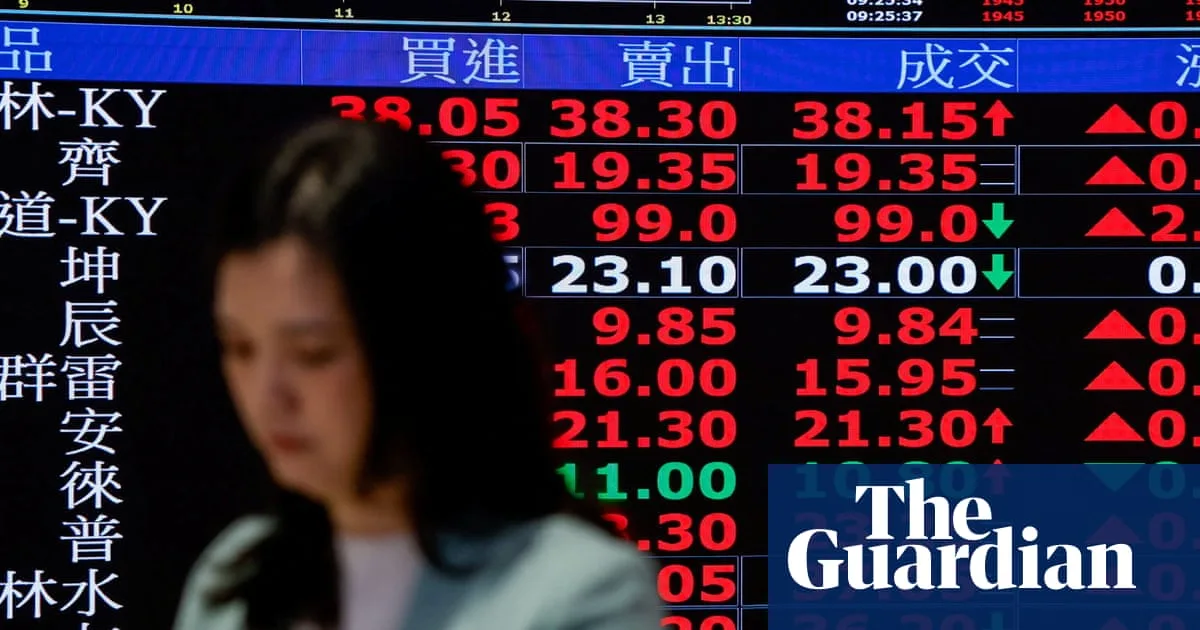
Asian markets have been battered, with South Korea's stock market collapsing 13% in a single session. However, Wall Street's S&P 500 lost less than 1%, reflecting investor expectations of a quick resolution. Shane Oliver, chief economist at AMP, warned that markets are 'a little bit complacent' in assuming Trump will back down.

The Australian dollar has held above 70 US cents, partly due to Australia's energy exports. But Ray Attrill of National Australia Bank noted that if oil prices stay high, a deeper sell-off could occur. An oil price shock is stagflationary, pushing inflation higher while hurting growth, putting central bankers in a bind.
NAB economists estimate inflation could peak at 4.75% in the year to June, half a percentage point higher than before the war. A sustained move towards US$100 a barrel could push inflation above 5%, the highest since late 2023. Reserve Bank governor Michele Bullock has flagged the risk of climbing petrol prices entrenching higher inflation expectations.