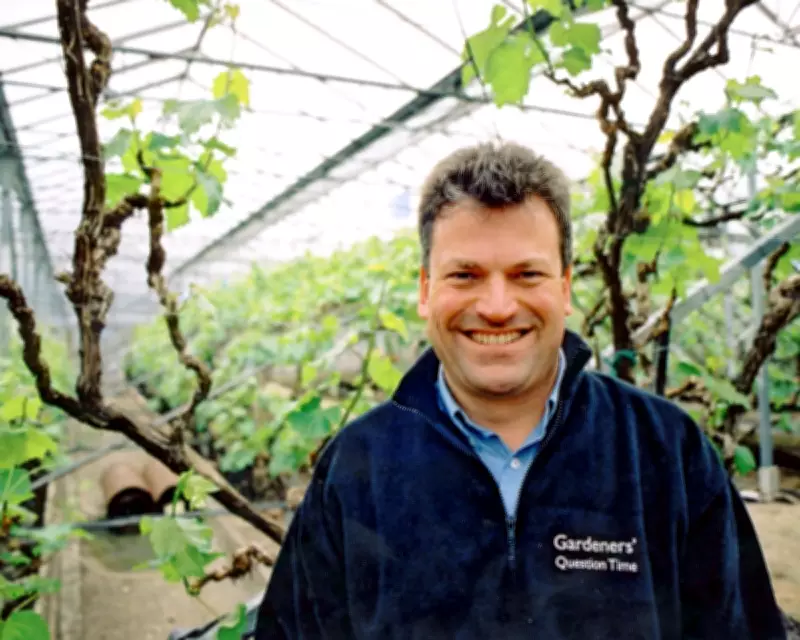
Matthew Biggs, a beloved panelist on BBC Radio 4's Gardeners' Question Time for over three decades, has died at the age of 65. Widely regarded as one of Britain's most trusted gardening authorities, he styled himself as 'the people's gardener', reflecting a horticultural career that began in the late 1970s at Leicester council's parks department.
Early Life and Career
Born in Leicester on 2 June 1960, Biggs had a mild form of cerebral palsy affecting his left side. He was one of three children of Ivan, an electrical appliance fitter, and Marion (nee Arthur), a schoolteacher. His love for the English countryside and natural world grew slowly from helping out on his mother's vegetable patch.
After leaving the City of Leicester boys' grammar school with few qualifications, he worked as a junior clerk in the city council's housing department. Staring out of his 13th-floor office window at council gardeners below, he realised he wanted to work outdoors. When he encountered the parks manager in the lift, Biggs asked for a transfer. His first year involved sweeping play areas and cleaning public toilets. 'I started at the bottom,' he later reflected, 'and it was the best foundation I could have had.'

Horticultural Training
He pursued his passion at Pershore College of Horticulture in Worcestershire, earning a higher national certificate. Despite receiving 72 rejection letters from potential employers, which he believed were due to his disability, he persevered. In 1983, he was accepted onto the three-year diploma course at the Royal Botanic Gardens, Kew, which he said 'opened a new world' to him. He worked in environments such as the Temperate House and later served as a guide lecturer and staff training officer at Kew. He then ran his own garden maintenance business before transitioning into garden media.
Media Career
After his studies at Kew, Biggs began focusing on media work and got an early break on a gardening phone-in show on LBC, the London radio station. Between 1991 and 1996, he co-presented Channel 4's Garden Club alongside plantsman Roy Lancaster. He also directed and researched Grass Roots for ITV in the mid-1990s. However, he loved the immediacy and intimacy of radio most. In 1994, he joined the panel of horticultural experts on Gardeners' Question Time, taking questions from live audiences of amateur gardeners, and remained with the show until a week before his death.
Biggs wrote more than 20 books, including A Nation in Bloom (2019), celebrating the Royal Horticultural Society's 100th anniversary, and a children's title, A Home for Every Plant (2023). He lectured at the English Gardening School in London and gave hundreds of talks to garden clubs in village halls on topics ranging from great botanists and gardeners to growing fruit and vegetables, plants for problem places, and the wonders of horticulture.
Illness and Legacy
In 2020, Biggs was diagnosed with bowel cancer. After surgery in 2021, he initially received a clear scan, but the cancer later returned in his liver and lungs. He faced his illness with pragmatic optimism, describing chemotherapy as 'being sprayed with weedkiller'. During treatment at Mount Vernon Cancer Centre in Northwood, Hertfordshire, he found strength in the view of birch trees from his hospital window and wore brightly coloured clothes to his sessions.
In 2024, the Garden Media Guild awarded him a lifetime achievement award. In his acceptance speech, he said he was fortunate to have a job he loved and that 'you've got to go out and inspire other people and if you don't, then all that knowledge and excitement is a waste of time'.
In April 2026, the Royal Horticultural Society recognised his contribution with the Victoria Medal of Honour. The award is usually strictly limited to 63 living recipients, one for each year of Queen Victoria's reign, but the RHS Council made a rare exception, and a 64th medal was presented to Biggs by Roy Lancaster.

His faith as a member of the Christadelphian church provided support, as did a 'legacy garden' he instigated for fellow patients at Mount Vernon. 'If I end up going out on this one, I'll be a happy bloke,' he said. He viewed the project as his greatest achievement, a space where what he described as the 'billionaires' (rich in spirit, if not in pocket) who love gardens and gardening could find healing.
He is survived by his wife, Gill (nee Mastemaker), whom he married in 1991, and their three children, Jessica, Henry and Chloe.