Environmental activists have been arrested after a protest outside the Yorkshire headquarters of pesticide company Syngenta, with more than 40 people taken into custody, including Greenpeace UK's programme director, Amy Cameron.
Protest Details
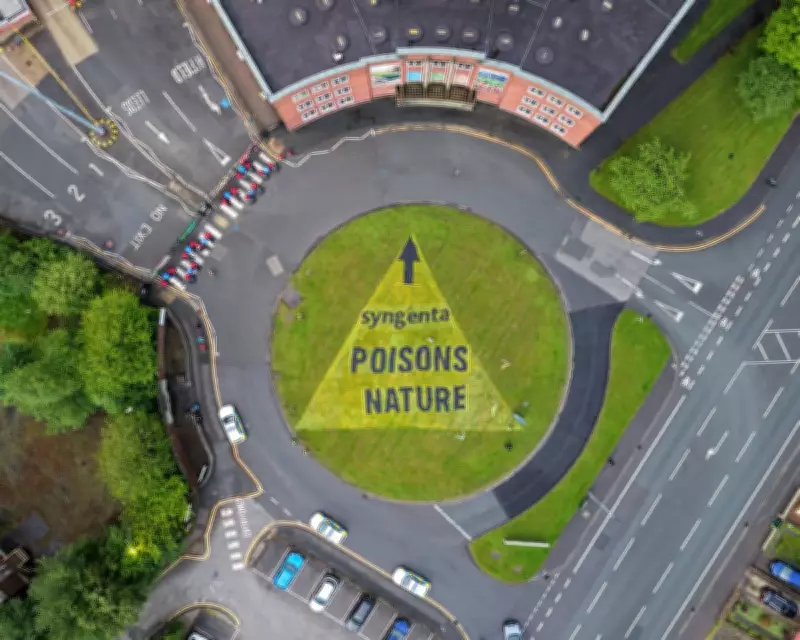
Several activists locked themselves onto 15 blue pesticide barrels at the entrance, blocking the gates and forcing the temporary closure of the nearby A62 road. Protesters transformed a roundabout outside the front entrance into a giant hazard symbol bearing the message “Syngenta poisons nature,” with an arrow pointing directly at the building. The demonstration took place on World Bee Day.
Police Response
West Yorkshire police confirmed that at 4:33 a.m. on 20 May, they received a report of protesters outside the gates of a business premises on Leeds Road, Deighton, Huddersfield. Officers were deployed to monitor the situation and ensure no wider disruption occurred. A number of individuals were subsequently arrested and taken into custody on suspicion of offences related to the incident.

Greenpeace Accusations
Greenpeace has accused Syngenta of driving wildlife decline and threatening UK food security by manufacturing and selling pesticides that poison British wildlife. A recent report by the NGO found that just one teaspoon of Syngenta's pesticide, Hallmark, was enough to kill 13 million bees.
Greenpeace UK co-executive director Will McCallum commented on the arrests: “Today’s arrests are a huge overreaction by police. If only the government channelled the same passion it shows for quashing peaceful protest into ending the silent crisis unfolding in our countryside. We need to drastically cut chemicals on our land and in our waterways, and farmers need funding to enable them to do it. This is crucial so that nature – the very foundations of our food system – can recover.”
Syngenta Response
A spokesperson for Syngenta said: “Syngenta respects the right of Greenpeace and others to express their views and to engage in public debate on how food should be produced. We share the goal of protecting the environment and supporting biodiversity – although may hold different views on how best to achieve this in practice. Syngenta believes crop protection products play a key role in global food security. Without effective crop protection, significant proportions of crops can be lost to pests, weeds, and disease, with serious consequences for food availability and cost.”