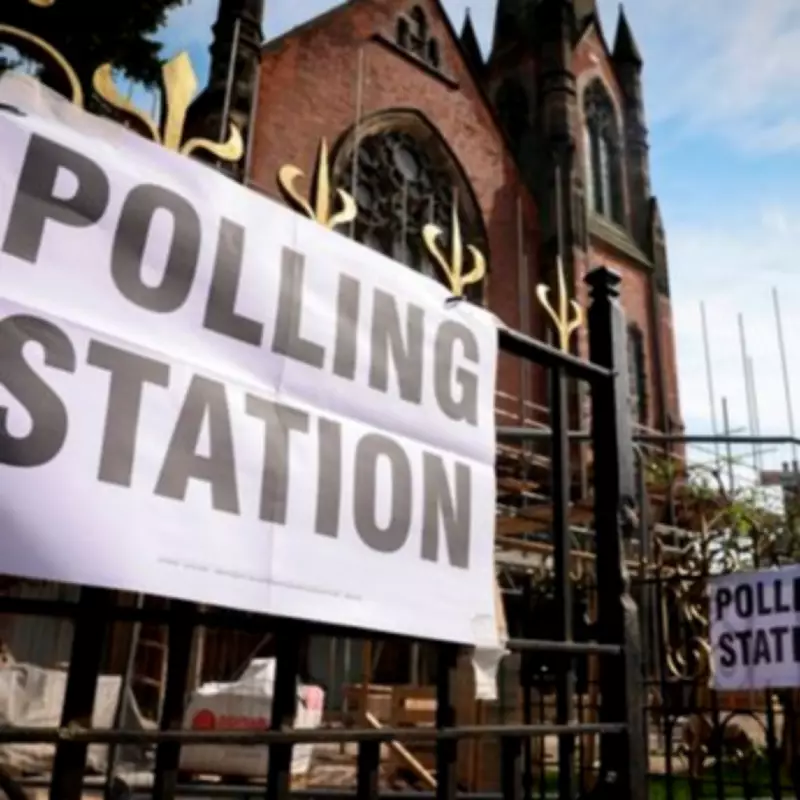
A new survey by the Children's Commissioner has revealed that half of teenagers aged 13 to 17 are undecided about which party to support or whether to vote in the next general election. The findings come as the Labour government prepares to lower the voting age to 16 for the next election, currently scheduled for 2029.
Key Findings from the Big Future Report
The survey, conducted by Dame Rachel de Souza's office, shows that nine in ten young people are worried about the future. Their top concerns include getting a good job and having enough money. The Big Future report is being launched today at the Commissioner's second Festival of Childhood in Manchester's Science and Industry Museum.
According to the poll, 28% of children surveyed said they do not know which party they would vote for, while 20% said they are unsure whether they would vote at all. Another 11% stated they would not vote in the next general election, and a further 11% indicated they would vote Labour.

Party Preferences Among Teenagers
Reform emerged as the second most popular party, with 9% support, followed by the Green Party at 8%. The survey also highlighted that nine in ten respondents worry about the future, with concerns ranging from having a good home and enough money to doing well in school and global issues like war and conflict.
Children's Commissioner Calls for Engagement
Dame Rachel de Souza commented: "For the first time, hundreds of thousands of children will be eligible to vote in the next general election at 16 – but my polling of how children intend to vote shows teenagers are uncertain about voting. As a nation, we're at a crossroads."
She added: "We are making the biggest change to the franchise in 50 years, at a time when many are asking if childhood today is as good as it was for generations past. There is growing uncertainty about childhood today – from screen time to schooling, from future jobs to AI – yet children consistently tell me they're not heard and excluded from the debate."
The commissioner urged local and national politicians to engage with children through visits to schools and community spaces in their constituencies and wards. She emphasized: "How we respond to children's challenges will define what it means to grow up in England and shape how a generation engages in democracy for years to come. Hearing from children doesn't just mean listening to them once. It cannot be optional. If we are serious about making children's lives – their outcomes – better we must listen to them, especially those who are least often heard."