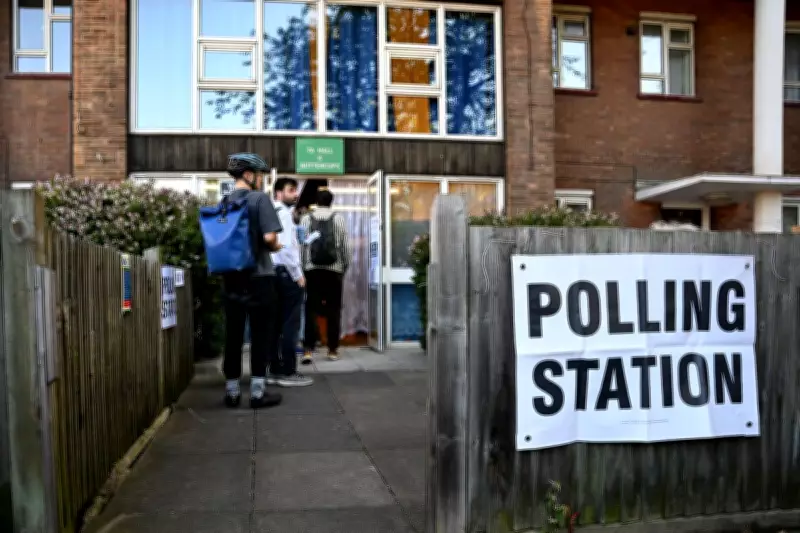
The government has confirmed sweeping changes to the electoral system in England, including the introduction of polling booths in supermarkets and train stations for the upcoming local elections. This initiative, dubbed 'flexible voting', aims to significantly boost voter turnout by making the process more accessible and convenient for citizens.
Flexible Voting Pilots Across Councils
Several councils across the country will test these new flexible voting options on polling day, 7 May this year, according to the Ministry for Housing, Communities and Local Government. A statement from the department emphasised that the changes are designed to remove practical barriers that prevent people from participating in elections.
The move mirrors models used in Scandinavian countries like Sweden and Norway, where citizens have been able to vote in advance at multiple locations including supermarkets, train stations, libraries, and even IKEA stores. However, a similar scheme was piloted in the UK between 2000 and 2007 with limited success. An Electoral Commission report from that time found that while the scheme enhanced accessibility and convenience, actual take-up of advance voting remained disappointingly low.

Youth Voting Rights Expansion
The new flexible voting scheme has been announced alongside the introduction of the government's Representation of the People Bill, which will be laid in parliament today. Among its most significant measures is legislation to extend voting rights in all UK elections to 16- and 17-year-olds. The government states it aims to implement this change before the next general election, which is scheduled to take place by 2029 at the latest.
Housing Secretary Steve Reed declared: "The Representation of the People Bill will usher in a new era for our democracy – one that protects against foreign interference and empowers young people. With growing threats from abroad, now is the time to make changes to make our elections secure and get young people engaged in them."
Combating Foreign Interference
The Bill also introduces new reforms to combat foreign actors using their money to interfere in UK elections. These measures will require companies that make political donations to demonstrate a genuine connection to the UK, including being headquartered in the country and majority owned or controlled by UK electors or citizens.
The government cites recent cases that underline the need for this legislation, including that of former MEP Nathan Gill, the former Welsh Reform UK leader jailed for pro-Russian bribery, and Christine Lee, the UK-based lawyer identified as working covertly on behalf of the Chinese Communist Party.
Strengthening Electoral Enforcement
Further rules in the Bill will empower the Electoral Commission to enforce heavier fines of up to £500,000 on those who breach political finance rules, while also cracking down on voter intimidation and harassment. Samantha Dixon, Minister for Democracy, commented: "I know from speaking to so many passionate young people just how keen they are to get involved in our democracy. With democracy taught as part of the national curriculum, millions of young people will have the knowledge and confidence to take part in our democratic process for the first time."
Expert Analysis and Response
Dr Parth Patel, associate director at IPPR, offered analysis on the proposed changes: "At the last election, only one in two people voted. We are trapped in a doom loop of low turnout and unresponsive government. This Bill is a significant step forward to break out of that. It represents the biggest reform to our electoral system in half a century, reducing the grip of the powerful and giving greater voice to those who go unheard."
Dr Patel added that this should be the beginning rather than the end of electoral reform, suggesting that parliament should build on this Bill with more demanding reforms to clean up the political system and put an end to corruption in British democracy.

The combination of flexible voting locations and expanded youth voting rights represents a substantial shift in how elections will be conducted in England. While similar initiatives have shown mixed results in the past, the government hopes that these changes, coupled with stronger protections against foreign interference, will create a more inclusive and secure democratic process for all citizens.