Conservative Anglican Leaders Overhaul 400-Year-Old Global Religious Body Structure
Conservative Anglican leaders have implemented a sweeping restructuring of their global organization, marking a significant departure from the traditions of the historic Anglican Communion as they seek to reorder the 400-year-old church group. This move represents one of the most substantial organizational changes in modern Anglican history.
New Governance Structure Announced
The Global Anglican Future Conference, commonly known as Gafcon, has officially dissolved its Gafcon Primates Council and replaced it with the newly formed Global Anglican Council. According to Gafcon general secretary The Right Reverend Paul Donison, this new council will include primates, advisers, and guarantors, comprising bishops, clergy, and lay members, each with full voting privileges.
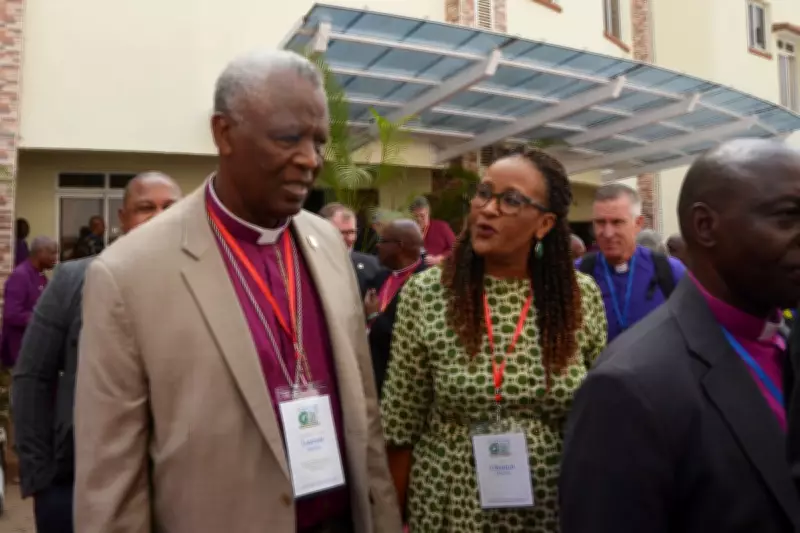
The announcement was made during a major meeting of conservative church leaders in Abuja, Nigeria's capital city, which attracted 436 delegates from 48 countries representing over 180 dioceses worldwide. This gathering demonstrated the global reach of the conservative Anglican movement.

Leadership Philosophy Shift
"While the Chairman of the Council will be a Primate, he will not be primus inter pares (first amongst equals)," Donison explained in his statement. "Believing that the current Instruments of Communion no longer meet the needs of the majority of Anglicans around the world, the Global Anglican Communion is to be led by a conciliar structure."
This represents a fundamental philosophical shift away from traditional Anglican leadership models toward a more collaborative governance approach that distributes authority more broadly across different levels of church leadership.
Doctrinal Divisions and Conservative Opposition
Gafcon leaders have consistently opposed liberal trends within Anglican churches, particularly in Europe and North America. Their primary concerns center around:
- Same-sex marriage recognition
- Ordination of openly LGBTQ+ clergy
- Theological direction of the Episcopal Church in the United States
These divisions have widened so substantially over recent decades that several national churches have ceased participating in Anglican Communion gatherings altogether, creating what many observers describe as a de facto schism within global Anglicanism.
New Leadership and Vision
Archbishop Laurent Mbanda from Rwanda, who was unanimously elected as chair of the new Global Anglican Council, articulated the conservative position clearly during an interview with the Advent Cable Network Nigeria, the televangelism arm of the Church of Nigeria.
"Leaders within Gafcon's ranks must reject those instruments that have not worked for us in the past," Mbanda declared. His statement reflects growing frustration with existing Anglican governance structures that many conservatives believe have failed to address their theological concerns adequately.
Last year, Mbanda had already called for a decisive break from the historic communion as it's currently structured, boldly declaring that "the Anglican Communion will be reordered." His election to lead the new council suggests this vision is now being implemented through concrete organizational changes.
Broader Anglican Context
One of the traditional Anglican Church's instruments of leadership includes the Archbishop of Canterbury, currently Sarah Mullally, who serves as the church's spiritual head and is the first woman to hold that position. Mullally has faced significant opposition in her role as leader of the church, particularly from conservative factions who disagree with her theological positions and leadership approach.
The restructuring announced by Gafcon represents not merely an organizational change but a theological statement about the future direction of global Anglicanism. By creating parallel structures with different governance models and theological priorities, conservative Anglican leaders are effectively establishing an alternative center of authority within the Anglican tradition.

This development raises important questions about the future unity of the Anglican Communion and whether these parallel structures will eventually lead to formal separation or whether some form of reconciliation might still be possible despite deepening theological divisions.