The British government has officially nationalised British Steel, assuming control of the Scunthorpe plant from its Chinese owner, Jingye. Prime Minister Keir Starmer announced the move on Tuesday, marking a significant intervention in the country's industrial landscape.
Government Takeover
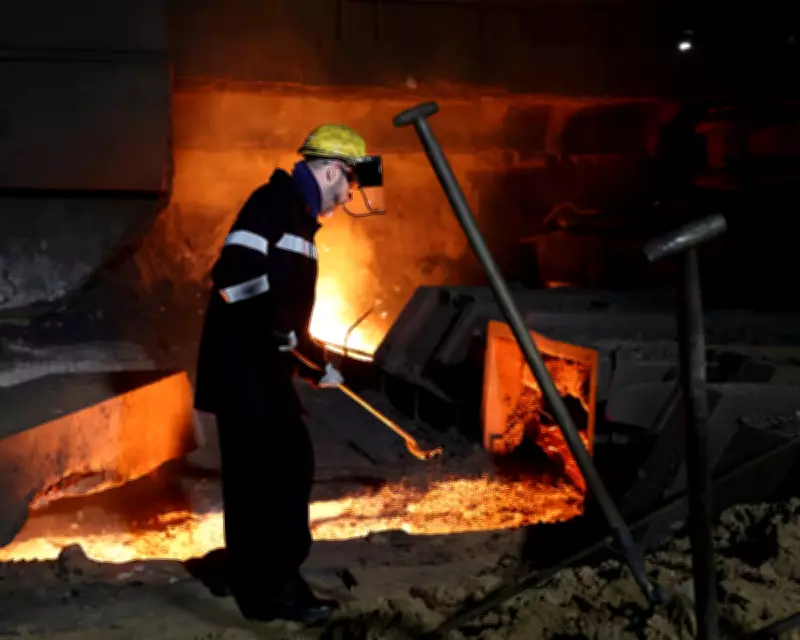
The decision to nationalise the steelmaker comes after months of uncertainty over the plant's future. Jingye, which acquired British Steel in 2020, had been struggling with rising energy costs and global market pressures. The government stepped in to prevent the closure of the Scunthorpe site, which employs around 3,000 workers directly and supports thousands more in the supply chain.
Under the terms of the nationalisation, the government will acquire all assets of British Steel, including the Scunthorpe plant and associated facilities. The state will also assume responsibility for the company's pension liabilities and environmental obligations.

Securing Jobs and Production
Prime Minister Starmer stated that the move was essential to protect jobs and maintain the UK's capacity to produce steel, a material critical for national infrastructure, defence, and construction. "This government will not stand by while a vital British industry is allowed to wither," Starmer said. "Nationalisation ensures that steelmaking continues in Scunthorpe, securing livelihoods and our national sovereignty."
The government has pledged to invest in modernising the plant, including transitioning to greener steel production methods. This aligns with the UK's net-zero emissions target by 2050.
Reactions
The nationalisation has received mixed reactions. Trade unions welcomed the move, with Unite's general secretary calling it "a victory for workers and communities." However, business groups expressed concerns about the cost and the precedent it sets for state intervention.
Jingye stated that it had cooperated fully with the government during the transition and wished the new management well. The Chinese firm had invested in the plant but faced insurmountable challenges due to global market conditions.
Future Outlook
The government plans to run British Steel as a commercial entity, with a board appointed by the state. It aims to make the company profitable within five years through efficiency improvements and diversification into high-value steel products.
The nationalisation is seen as a test of Labour's industrial strategy, which emphasises strategic state intervention to support key industries. Critics argue that it could deter foreign investment, while supporters believe it is necessary to safeguard national interests.