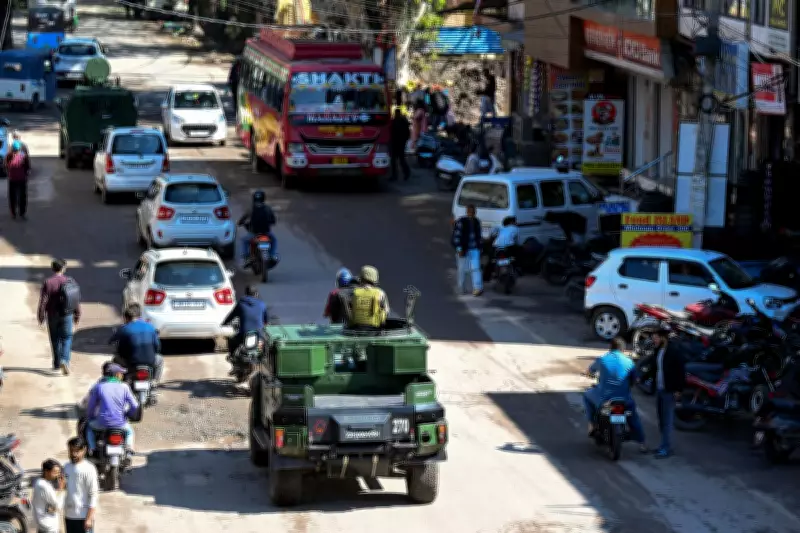
A year has passed since the brief but intense conflict between India and Pakistan in May 2026, which raised fears of a full-scale war between the two nuclear-armed neighbours. While skirmishes have been common for decades, this latest confrontation was marked by the use of advanced weaponry, including cruise missiles, short-range ballistic missiles, and drones. The rhetoric on both sides has been sharp, and trust remains severely eroded.
What Happened Last Year?
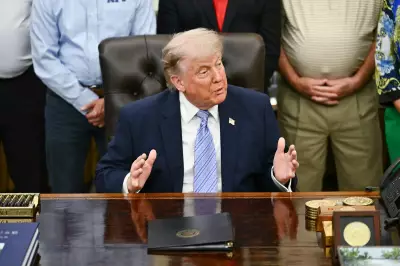
The conflict erupted after a terrorist attack on April 22, 2026, in the Pahalgam area of Indian Kashmir, killing 26 civilians. India accused the Pakistan-based militant group Lashkar-e-Taiba, which Pakistan denied. On May 7, India launched Operation Sindoor against alleged terrorist strongholds in Pakistan, prompting a Pakistani retaliation, Operation Bunyan-un-Marsoos. The four-day war ended with a ceasefire on May 10, brokered by the Trump administration, though India was displeased with US mediation. Pakistan subsequently nominated Trump for the Nobel Peace Prize.
Political Ramifications
In Pakistan, the military's influence grew, with Chief of Army Staff Syed Asim Munir elevated to field marshal and later appointed as the country's first chief of defence forces. Munir has since forged close ties with Trump and played a key role in US-Iran negotiations. In India, Operation Sindoor was hailed as a victory for Prime Minister Narendra Modi's decisive foreign policy, garnering rare political consensus. However, in Kashmir, the attack reignited concerns about security and the impact on tourism following the 2019 revocation of the region's special status. Security operations led to tourist site closures, a sharp decline in visitors, and human rights concerns.

Shifting Regional Dynamics
The conflict highlighted Pakistan's operational cooperation with China and Turkey, using Chinese fighter jets, missiles, and Turkish drones, with Chinese satellite intelligence support. Post-war, Pakistan signed an oil development deal with the US and a defence pact with Saudi Arabia. India's decade-long effort to isolate Pakistan diplomatically was undermined by Pakistan's growing ties with the US and Gulf states. Modi's relationship with Trump soured over tariffs and India's Russian oil purchases, while India's influence in the US-Iran war was questioned. India has since sent delegations to over 30 countries to present its case, but with limited success in convincing the world of Pakistan's aggression.
Where Do Things Go From Here?
One year on, political rhetoric remains charged. Both sides signal readiness for future escalation. India continues to warn Pakistan over alleged terrorist support and has suspended a major water-sharing treaty until Pakistan addresses terrorism, leaving water security concerns unresolved. Pakistan warns that any future attack would trigger consequences not geographically confined or politically palatable for India. The shifting geopolitics and heightened rhetoric have narrowed the space for dialogue, and trust remains alarmingly low. The ceasefire holds for now, but the underlying conflict persists.