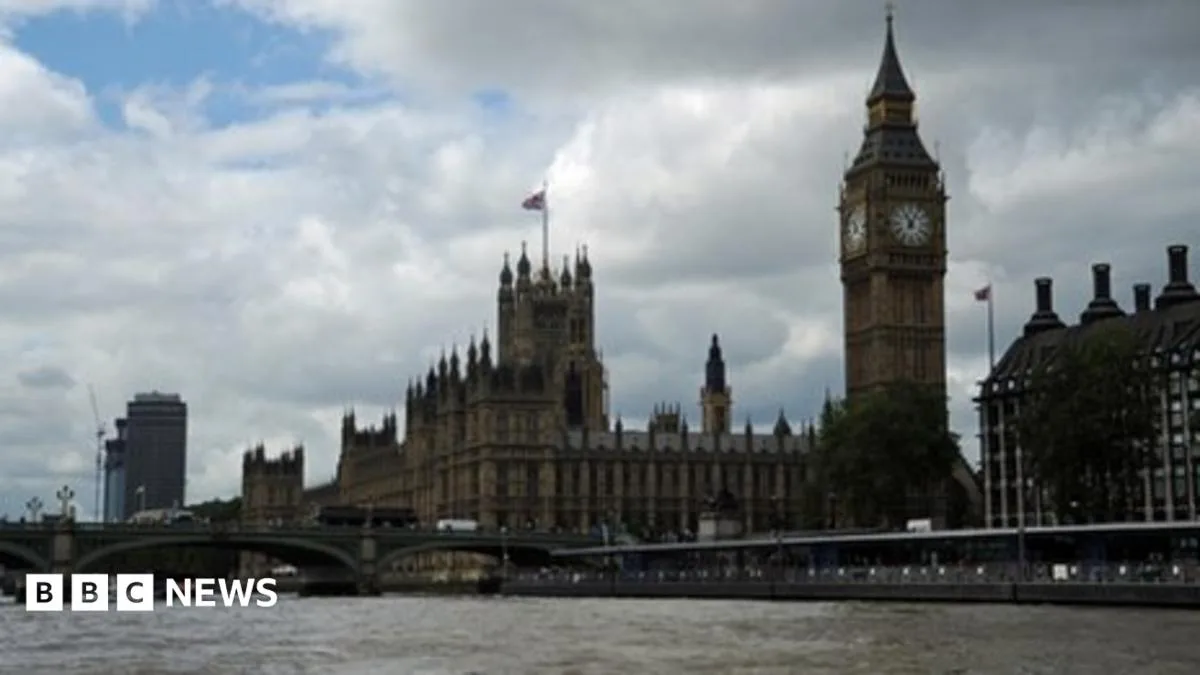
Westminster, the epicentre of British political life, has a history stretching back over a thousand years. Originally a small, secluded island on the marshy banks of the Thames, Thorney Island was home to a small church built by wealthy Anglo-Saxons near present-day Downing Street. Named 'west minster' due to its location west of Anglo-Saxon Lundenwic, it became a Benedictine monastery by 960 AD, its black-robed monks a familiar sight for nearly 600 years until Henry VIII's break with Rome.
Today, Parliament Square occupies the old plateau of Thorney Island, with the Abbey on its highest point. Street names like Spring Gardens and Millbank echo the area's watery past, while a charter of King Offa from 785 AD refers to 'that terrible place which is known as Westminster'—though this was later revealed as a forgery by Prior Osbert of Clare in the 1150s, aimed at enhancing the Abbey's reputation. Osbert's campaign for the canonization of Edward the Confessor succeeded, and the Confessor's shrine still attracts worshippers, including President George W. Bush in 2003.
Archaeological evidence suggests that King Cnut may have built the first palace at Westminster around 1016-35, with a timber structure and walled ditch discovered near the spot where anti-war protester Brian Haw later camped. Edward the Confessor rebuilt the palace and Abbey in grand style to rival European rulers, remembered in Old Palace Yard. William II added New Palace Yard and Westminster Hall in the 1090s, a Norman statement of power that served as a forerunner to state broadcasting and social networking, spreading news of royal proclamations across the kingdom.

Henry II made Westminster the seat of English government by moving the Exchequer from Winchester and establishing law courts in Westminster Hall, where English common law was created. The courts remained there until the 19th century, sharing space with market stalls. Henry III's extravagance in the 1260s provoked revolt but left two legacies: his new Abbey, 'the most glorious work in England', and the emergence of Parliament as a check on the crown. Simon de Montfort established the principle of a representative parliament, leaving his mark on the Abbey with his armorial shield in the Quire aisles.
Westminster's history is a tale of power, ambition, intrigue, protest, and terror, from forged charters to royal proclamations, from Norman conquest to modern democracy. The village's hidden past continues to shape the present, as Winston Churchill once said: 'We shape our buildings and afterwards they shape us.'