The term 'snake-oil salesman' has become a recurring theme at the Labour Party conference in Liverpool, with senior figures using it to criticise Reform UK leader Nigel Farage. Prime Minister Keir Starmer described Farage as a 'snake-oil merchant', while Chief Secretary Darren Jones compared him to influencer Andrew Tate. Health Secretary Wes Streeting accused Farage of allowing anti-vaccine misinformation to thrive within Reform, stating: 'Nigel Farage is a snake-oil salesman of British politics, and it’s time to stop buying what he’s selling.'
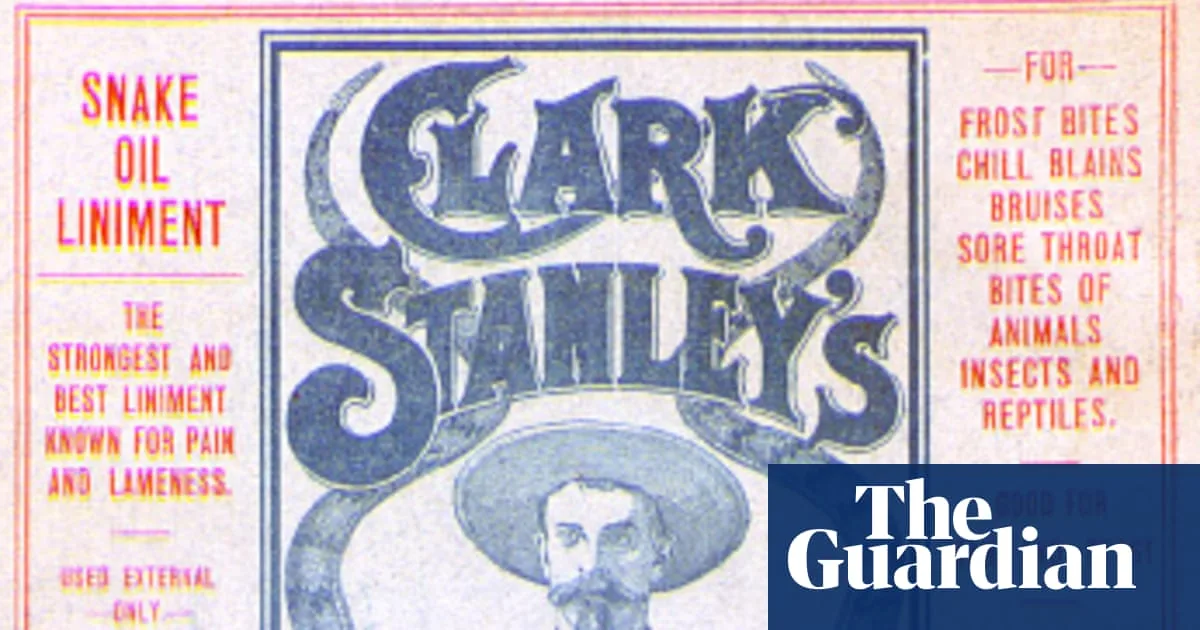
The phrase is not limited to Labour; former Scottish First Minister Nicola Sturgeon also used it at the Wigtown book festival, calling Farage a seller of 'snake oil'. The term originates from 19th-century America, referring to peddlers of fraudulent remedies. The most famous example is Clark Stanley, the 'rattlesnake king', who sold a joint pain treatment claimed to be derived from snakes. It was later found to contain mineral oil, beef fat, chilli pepper extract and turpentine. Stanley was fined only $20 (£15) and avoided significant public backlash.
Labour's repeated use of the term aims to associate Farage with dishonesty and empty promises, drawing on the historical connotations of the phrase. The party's messaging suggests that Farage's political offerings are as dubious as the snake oil sold by Stanley over a century ago.