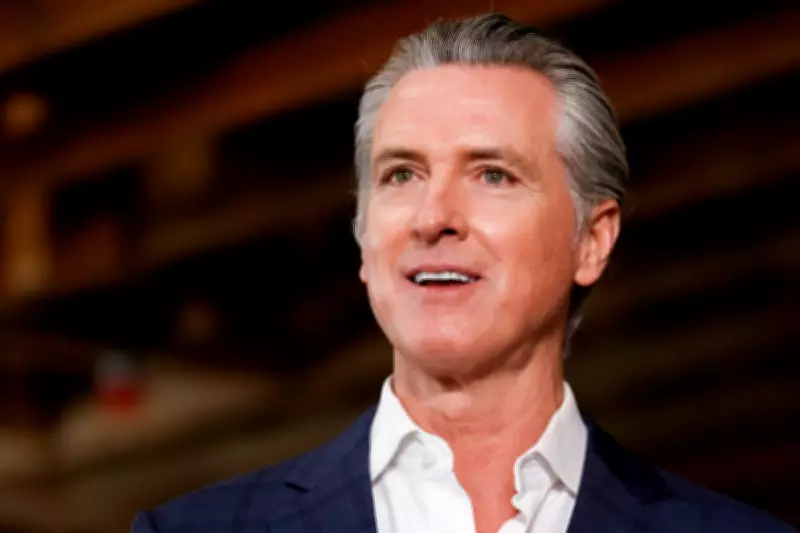
California Gov. Gavin Newsom unveiled his final budget proposal Thursday, presenting a revised plan without a deficit for his last year in office and the next. The $350 billion spending blueprint includes little new spending but avoids major cuts, aiming to safeguard programs that have defined his tenure.
Fiscal Responsibility and Rainy Day Funds
Newsom, who cannot seek a third term and will leave office in January, is promoting the budget as fiscally responsible. It protects California's progressive programs while building up the state's rainy day funds, a pointed rebuke to critics who argue the state spends beyond its means. State spending has grown more than $100 billion since 2020, according to legislative budget analysts.
“We’re cutting deficits. But we’re not cutting corners,” Newsom said.

Revenue Boost from Stock Market and AI
Revenues, driven primarily by the booming stock market and artificial intelligence industry, are $16.5 billion higher than projections in January, according to Newsom's office. This will help the state avoid a $2.9 billion deficit Newsom projected in January, guarantee no budget hole next year, and cut the shortfall the following year in half.
This is a welcome change for California, where revenues have not kept pace with spending. The state faced tens of billions in budget deficits for several consecutive years, forcing painful cuts last year, such as rolling back a promise to provide free healthcare to low-income immigrants without legal status. Nonpartisan budget analysts projected budget holes upward of $20 billion each year for the next few years.
Federal Funding Cuts and High Costs
Democrats are bracing for federal funding cuts in healthcare and the impacts of high costs on everything from gas to energy due to the war in Iran. State officials have repeatedly said California cannot backfill all federal monies.
Political Blasts and Tax Proposals
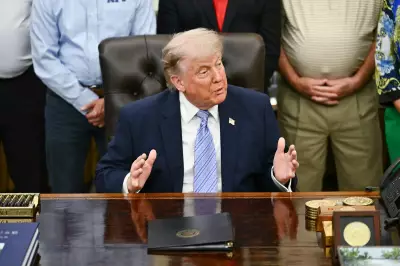
Newsom used his presentation to criticize President Donald Trump and his policies, stating Trump “doesn’t particularly give a damn about the financial situation of the average American.” The May budget proposal officially kicks off the final stretch of negotiations between Newsom and Democrats in the Legislature, who must pass a spending plan by the end of June.
State lawmakers have pitched several proposals to increase taxes on corporations to address budget problems, but Newsom has largely opposed such ideas, arguing they could drive businesses and wealthy individuals away. Instead, he has proposed cutting fees for new small businesses and limiting some tax credits starting in 2027. He also opposes a ballot initiative for a one-time tax on billionaires that may go before voters in November.
Progressive Tax System and AI Bubble Concerns
California has a progressive tax system that relies on wealthy residents, meaning about half of its revenues come from just 1% of the population. When the economy is strong, the wealthy pay more in taxes, and revenues can soar quickly. Conversely, during economic downturns, revenues can drop sharply. The state could see a revenue boost from expected upcoming initial public offerings by several major AI companies, which are anticipated to be the largest IPOs in history. However, legislative budget experts warned last year of a potential AI bubble that could worsen the state's finances.
New Spending Proposals
Newsom’s Thursday proposal includes a $300 million plan to backfill some of the loss of government-sponsored health subsidies, a $5 billion education grant for teacher training, and $100 million to help homeowners in the Los Angeles area rebuild after devastating wildfires last year.