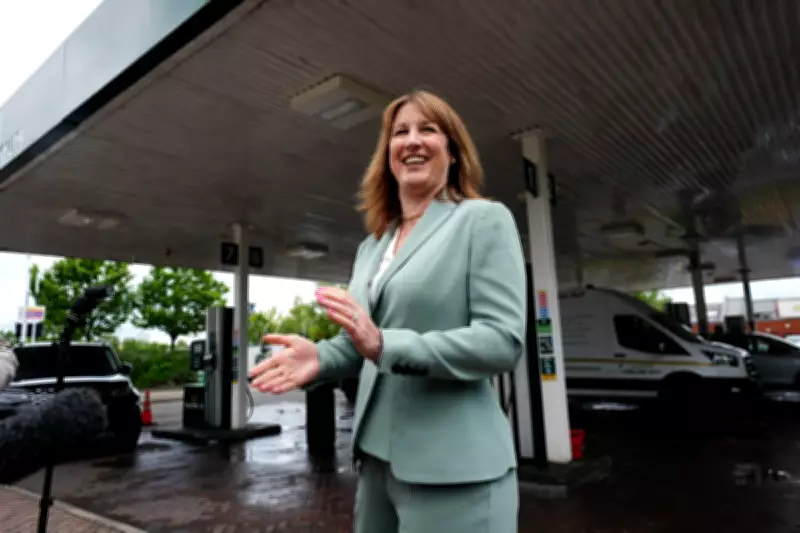
Chancellor Rachel Reeves has unveiled a package of measures designed to alleviate the financial strain on households caused by the ongoing Iran war, including cheaper biscuits and chocolate and free bus rides for children.
Tariff Cuts on Food Imports
The government is reducing import tariffs on more than 100 product categories, a move expected to save consumers over £150 million annually. The full list will be published next week but is anticipated to include biscuits, chocolate, dried fruit, and nuts.
Prime Minister Sir Keir Starmer stated: “We know many hard‑working families are still feeling the squeeze and too often think they have to hold back. By giving every child free bus travel throughout August and cutting tariffs on everyday food items, we’re putting money back into people’s pockets and making life that bit easier.”

Great British Summer Savings Scheme
Reeves also launched the “Great British Summer Savings” initiative, which provides free bus travel for children aged five to 15 in England during the August school holidays. The government is committing over £100 million to fund the scheme and support bus services facing increased costs.
Reeves said: “My number one priority is protecting households from rising costs. This summer I want every family to be able to enjoy themselves, that’s why we’re launching the Great British Summer Savings Scheme, and why we’re helping kids with free bus travel throughout August.”
Energy Bill Concerns
However, the Chancellor is not expected to announce immediate help with rising energy bills. The household energy price cap is projected to rise by £209 a year from July, following the closure of the Strait of Hormuz, which has pushed up global oil and gas prices. Energy analyst Cornwall Insight predicts the cap from July to September will reach £1,850 for a typical dual fuel household, a 13% increase from April’s £1,641 cap.
Reeves may detail contingency planning but is expected to wait until September to finalize targeted support for households over winter, when energy usage peaks.
Ministers are cautious about a Liz Truss-style universal bailout, warning that unfunded giveaways could raise government borrowing costs and inflation, leading to higher mortgage rates and leaving people worse off.
The latest package follows an extension of the 5p fuel duty cut until year-end, a tax break for hauliers, and help with red diesel costs for farmers.
The Office for National Statistics reported that Consumer Prices Index inflation fell to 2.8% in April, down from 3.3% in March, the lowest since March 2025. This was largely due to Ofgem lowering the energy price cap by 7% from April, but inflation is expected to surge again as fuel prices soar due to the Middle East conflict.