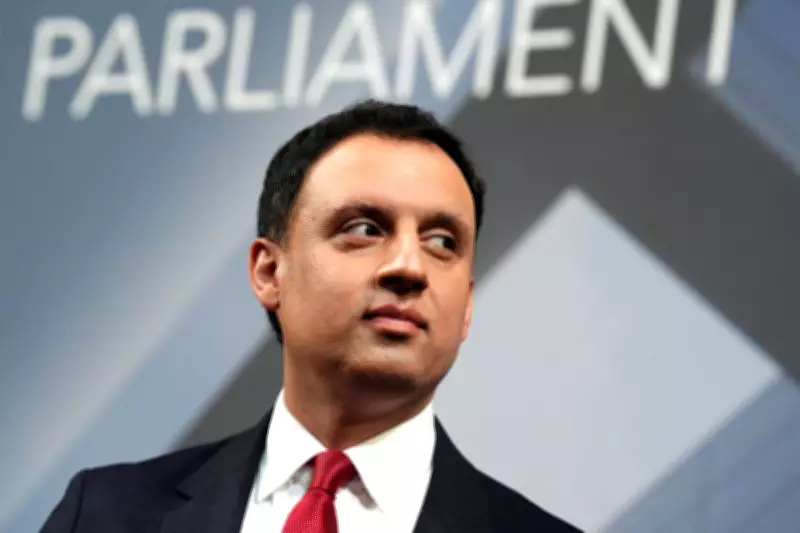
Scottish Labour leader Anas Sarwar has insisted that his party should still be regarded as the main opposition at Holyrood, despite securing the same number of MSPs as Reform UK. Both parties won 17 seats in the Scottish Parliament, but Sarwar argued that Labour’s higher vote share entitles it to the status of principal opposition.
Sarwar defends stance on Starmer
Speaking to journalists at Holyrood, Sarwar also addressed the growing number of Scottish Labour MPs calling for Prime Minister Keir Starmer’s departure. He reiterated that he did not pressure any colleagues to oppose the Prime Minister, having himself called for a leadership change in February.
“I didn’t turn the screws on any of my colleagues back in February and I’m not doing that now,” Sarwar said. “Every Scottish Labour MP is, like me and our MSPs and our wider party, hurting about the result here last week. My job is to hold my party together and make sure we’re an effective opposition.”

Main opposition status disputed
Traditionally, the largest opposition group at Holyrood leads questioning at First Minister’s Questions. Sarwar argued that Labour deserves that role. “We are the main opposition in this parliament. Yes, we won the same number of seats as Reform, but we got more votes than Reform,” he said.
He challenged other parties that have expressed a desire to limit Reform’s influence to back Labour instead. “Are they going to back Reform to be the main opposition in this parliament or is it going to be the Scottish Labour party?”
Reform UK responds
A Reform UK spokesperson rejected Sarwar’s claim, stating: “Anas Sarwar can try to spin the result however he likes, but the reality is clear: Reform Scotland won more regional list votes than Labour across Scotland and secured the same number of seats in Parliament.
“The Scottish people sent a message that they are tired of the same old parties and want real opposition to the SNP establishment. Reform achieved this despite Labour throwing huge resources into constituency battles while dismissing voters demanding change.
“Opposition status should not be decided by backroom deals between establishment parties trying to ‘limit the influence’ of a movement backed by hundreds of thousands of Scottish voters. It should reflect where public support is growing, and Reform is now the fastest-growing political force in Scotland. If Labour wants to be treated as the main opposition, they should earn it at the ballot box instead of asking other parties to block Reform voters from having their voices properly recognised.”