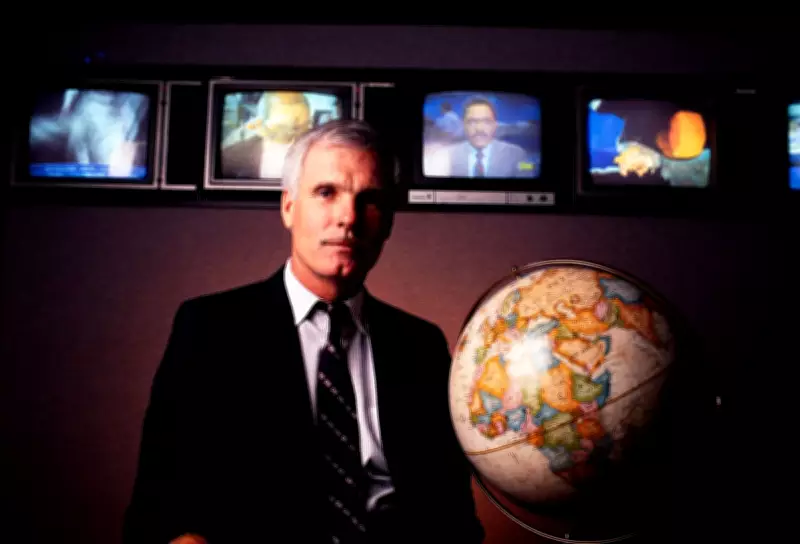
In February 1982, CNN, the fledgling cable news network launched by Ted Turner, was hemorrhaging $2 million a month. To meet payroll, the brash entrepreneur known as the 'mouth of the south' dipped into his private stash of krugerrands, supplemented by concession sales from his Atlanta Braves baseball team. ABC had just announced plans for a rival news service, and Turner even flirted with an alliance with CBS, which he derided as a 'cheap whorehouse'. Then came an unexpected lifeline: a personal invitation from Fidel Castro, the communist leader of Cuba.
A Surprising Alliance
Castro, who had been pirating CNN's signal in Havana, declared himself a fan, praising the network as 'the most objective source of news'. Turner, a fiercely patriotic Republican raised to abhor communism, saw an opportunity. He accepted the invitation, meeting Castro for duck hunting and cigar smoking. This encounter convinced Turner that his all-news channel could unify the world and promote peace.
From Skepticism to Success
Turner had initially been skeptical about the news business, often saying, 'I hate the news. The news is boring.' His ad salesmen worried they'd need to blow up buildings to fill airtime. It wasn't a passion for journalism that drove him, but the potential of cable-satellite technology to elevate his small Atlanta station to national prominence. His fearless zeal mirrored his success as a champion yachtsman.

Before CNN, television stations went dark after late-night movies. Turner changed that by keeping the lights on 24/7, a simple yet revolutionary act. He also bought a struggling baseball team and beamed its games nationwide, creating 'America's Team'. On June 1, 1980, CNN launched into just over a million homes, initially derided as 'Chicken Noodle News'.
The Impact of 24-Hour News
CNN would go on to shape presidential fortunes, sway public opinion on wars and revolutions, and captivate global audiences during tragedies like the Space Shuttle Challenger explosion and the rescue of Jessica McClure. It also spawned a culture of constant news consumption, fostering anxiety and polarization. Turner, a romantic and a Classics major expelled from Brown for antics like torching a rival's display, envisioned a unified, peaceful world. But he didn't foresee how amplified competition and the internet could spin that unity out of control.
A Legacy Unlike Any Other
Comparisons to modern moguls are futile. Turner's era, marked by his inherited billboard company and the creation of a media empire, is unique. Imagine a modern titan posing with Castro, who declared, 'One cannot smuggle the news. Space is universal and news is universal, too.' Turner believed this so deeply that he urged CNN to air the footage, but executives refused, deeming it gauche. Today, any network would exploit such a moment.
Lisa Napoli, author of Up All Night: Ted Turner, CNN & the Birth of 24 Hour News, reflects on Turner's legacy. He turned on the TV spigot, delivering news at any hour and anywhere, from the toilet to the airplane. But with each drip, the world became more entertained—and paralyzed. Turner's vision of unity, born from a meeting with an enemy turned friend, remains a powerful, if cautionary, tale.