Tottenham Hotspur secured their Premier League survival with a tense 1-0 victory over Everton on the final day, sparking scenes of relief and catharsis at the Tottenham Hotspur Stadium. Joao Palhinha's first-half goal proved decisive, as Spurs clung on to avoid what would have been a humiliating relegation.
Survival Secured in Dramatic Fashion
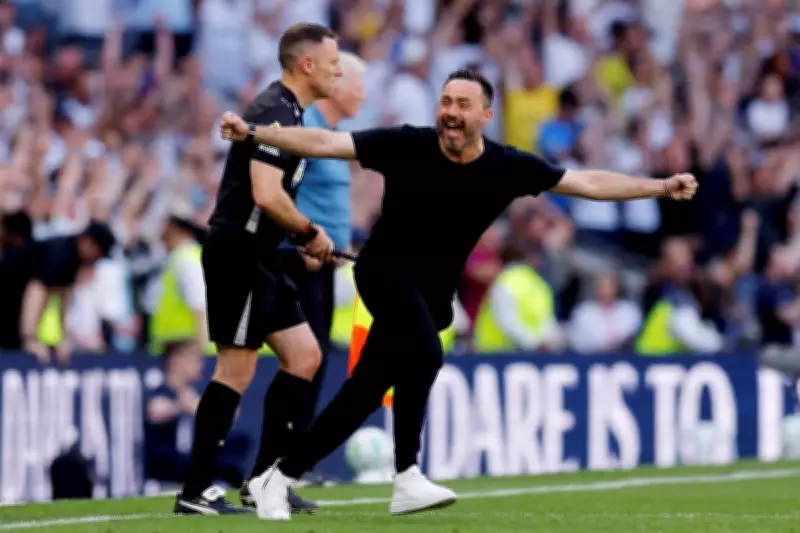
When the full-time whistle blew, James Maddison bent over gasping for breath, Kevin Danso collapsed in a heap, and manager Roberto De Zerbi ran onto the pitch as if he had won a trophy before composing himself to shake hands with David Moyes. Around them, Tottenham fans erupted with relief, turning what could have been the club's lowest ebb into a day of shared joy.
Just weeks ago, under Igor Tudor, supporters were resigned to relegation. But a late-season revival under De Zerbi, who took over with seven games remaining, yielded 11 points to pull Spurs clear. The performance was far from vintage, with Djed Spence and Pape Matar Sarr deployed as makeshift wingers, but the team showed commitment and energy in blistering north London sunshine.

Key Performances
Kevin Danso was immense at the back, while Joao Palhinha was everywhere, including Everton's box, where he pounced on a rebound to score the only goal. Goalkeeper Antonin Kinsky, embarrassed under Tudor, made a heroic full-stretch save to deny substitute Tyrique George a nerve-jangling equaliser in added time.
The victory secured Tottenham's third home win of the season and ensured they avoided becoming the first Championship team with a 62,000-seater stadium, a 23,000 square-foot megastore, and a microbrewery. A potential £250m black hole has been averted.
Lessons to Learn
While survival is cause for celebration, the club must learn from a nightmare season. Tottenham have built a gleaming stadium and thriving commercial arm, becoming London's NFL home and staging sell-out concerts. But somewhere along the way, they forgot the primary purpose of a football club. While Brentford, Brighton, and Bournemouth pour resources into sophisticated football operations, Tottenham ran an events business with a football team, finishing 17th while less wealthy clubs qualified for Europe.
The lack of a coherent plan is evident in the succession of managers: Nuno Espirito Santo, Antonio Conte, Ange Postecoglou, and Thomas Frank, each tactically and spiritually diverse. The squad is a mishmash of players without blend or balance. If Daniel Levy can be blamed for some decisions, the post-Levy regime has hardly covered itself in glory. Sporting director Johan Lange and CEO Vinai Venkatesham's appointment of Tudor seemed fraught with risk, and his disastrous reign was an act of self-flagellation.
De Zerbi's Commitment
De Zerbi reaffirmed his commitment to the job this week, and there were fleeting signs of his football in sharp one-touch passing. His overzealous touchline antics may annoy opponents, but perhaps Spurs need that edge. "We deserved this day, this win," De Zerbi said. "My players played a fantastic game. Next season the target is to make the fans happier, to stop this suffering."
The supporters, who greeted the team bus with gusto before kick-off, were hailed by De Zerbi. But optimism should not dilute the harsh lessons relegation would have served. Real progress will only be harnessed by learning from narrowly avoiding the greatest sporting debacle in Premier League history.