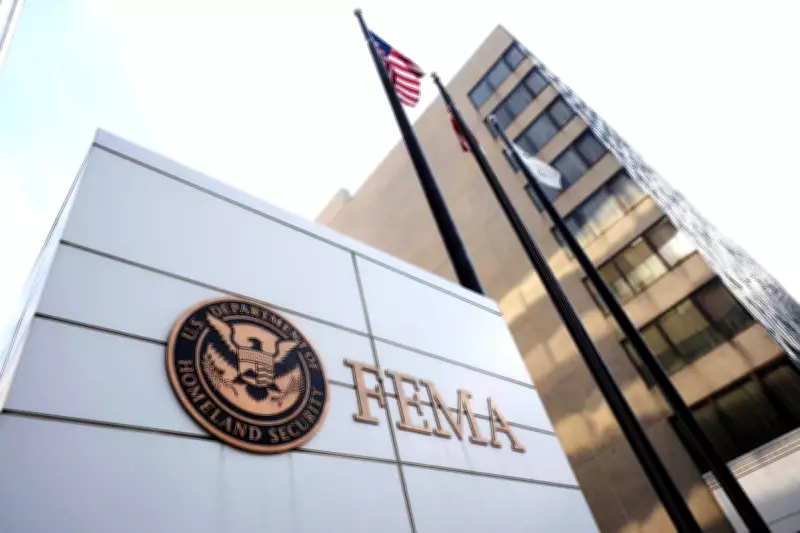
A council appointed by President Donald Trump has proposed significant changes to the Federal Emergency Management Agency (FEMA), recommending a series of long-awaited reforms that stop short of dismantling the agency but could reduce the number of federally supported disasters and the amount of money distributed.
Key Recommendations
The council approved a report recommending sweeping changes to federal disaster support, including shifting more responsibility to states, tribes, and territories for preparedness, response, and recovery. It proposes altering how the federal government determines which disasters to support, how FEMA reimburses states, and what assistance survivors receive.
Changes to State and Survivor Aid
One major recommendation is moving from a reimbursement model to an upfront payment system, where states receive funds within 30 days of a disaster, with potential additional payments if costs exceed estimates. The council also suggests replacing the current per-capita formula for disaster declarations with a parametric threshold based on predefined metrics.

Survivors would see a shift to a one-time payment instead of multiple aid channels, with housing assistance limited to those whose homes are uninhabitable. FEMA would focus on emergency housing, leaving long-term housing to states. "States, figure it out," said council member Kevin Guthrie, Florida's emergency management director.
Flood Insurance and Other Reforms
The report recommends shifting most flood insurance policies from the National Flood Insurance Program, which is over $20 billion in debt, to the private market and aligning premiums more closely with risk.
Council Background and Delays
Trump created the FEMA Review Council by executive order after proposing to eliminate FEMA following Hurricane Helene. The 12-person council, co-chaired by Homeland Security Secretary Markwayne Mullin and Defense Secretary Pete Hegseth, includes officials from predominantly Republican-led states. The report was delayed by six months due to clashes between former Homeland Security Secretary Kristi Noem and council members over drafts. Noem was fired in March and replaced by Mullin.
The final report moves away from a controversial draft recommendation to cut the FEMA workforce by 50%. Mullin stated the report provides "a clear direction and an oversight of an agency that is in need of reform, but is still mission capable." Former Virginia Governor Glenn Youngkin, a council member, said the recommendations aim to "accelerate federal dollars, streamline the process, and make it less bureaucratic."
The recommendations will now be sent to Trump, though many require congressional action. The White House has not commented on whether Trump endorses them.