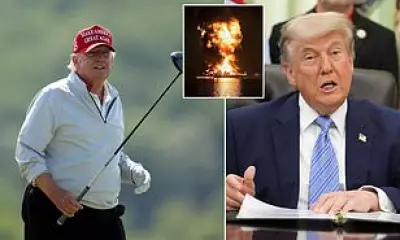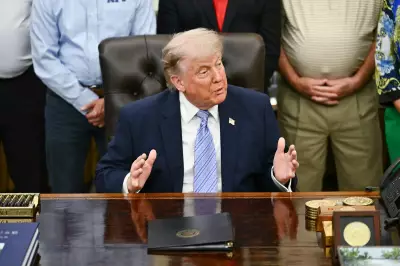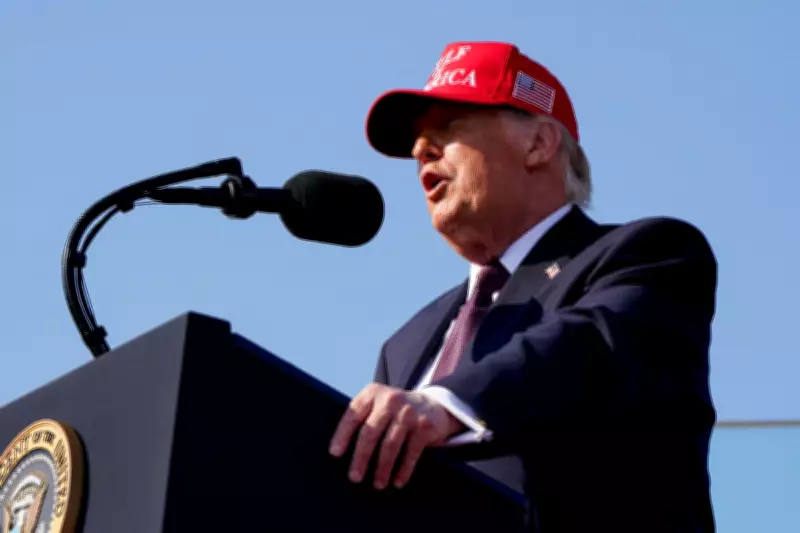
In a striking defiance of the United States Constitution, former President Donald Trump has once more suggested he should be permitted to serve an illegal third term in the White House. The controversial remarks were delivered during a campaign-style rally in Corpus Christi, Texas, on Friday, where Trump railed against perceived adversaries and reiterated unfounded claims about the 2020 election.
Constitutional Violation Proposed
The U.S. Constitution explicitly prohibits any individual from serving more than two terms as president, a rule enshrined in the 22nd Amendment. This amendment was ratified in 1951 following Franklin Roosevelt's unprecedented four terms, which ended with his death in 1945. Despite this clear legal barrier, Trump boldly floated the idea of "one more term" to a cheering crowd of supporters.
Baseless Claims Fuel Controversy
Trump justified his unconstitutional proposal by asserting he is "entitled" to a third term because Democrats "cheated like hell" during the 2020 election, which he lost to Joe Biden. He has repeatedly made these baseless allegations of election theft, though they have been widely debunked by courts and officials. During his Texas speech, Trump listed purported accomplishments from his second term's first year, then asked the audience, "Maybe we should — maybe we do one more term. Should we do one more? One more term?"

Historical Context and Previous Statements
This is not the first time Trump has broached the subject of a third term. He has previously acknowledged the impossibility of such a move under the 22nd Amendment, which was passed by Congress in 1947 and ratified by 36 states. In December, at a Christmas reception, he noted he had "a little more than three years left" before leaving office. Additionally, he dismissed the idea of running for vice president in 2028, calling it "too cute" and noting it would also be prohibited since the Constitution bars anyone from serving as vice president if they are ineligible for the presidency.
The rally also featured Trump criticizing figures like Ilhan Omar and addressing a Supreme Court decision on tariffs, but the third-term comments have drawn significant attention for their direct challenge to constitutional norms. As Trump continues to campaign, these remarks underscore ongoing tensions between his political ambitions and legal frameworks, raising concerns about democratic integrity and rule of law in the United States.