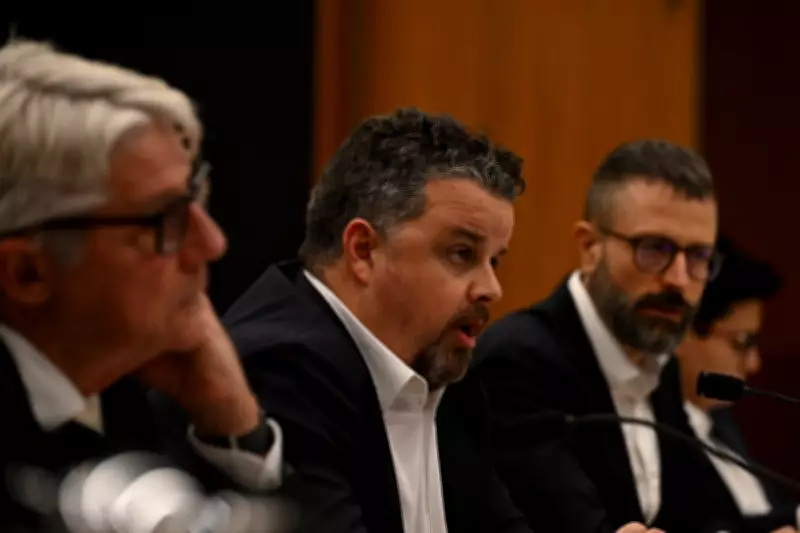
Several witnesses have refused to provide evidence at New South Wales parliamentary hearings, sparking debate over the effectiveness of the inquiry process. The refusals have been met with criticism from lawmakers who argue that such actions undermine the integrity of the investigations.
Background of the Hearings
The hearings, established to examine specific policy areas, have faced repeated challenges in securing testimony from key individuals. Officials noted that the witnesses cited personal reasons or legal advice as grounds for their refusal. This has hindered the committee's ability to gather comprehensive information.
Legal Implications
Legal experts suggest that while witnesses have the right to remain silent, parliamentary committees hold powers to compel testimony. However, enforcement remains complex, often requiring court intervention. The situation highlights tensions between individual rights and the public interest in transparency.

Committee chairs expressed frustration, stating that the refusals delay proceedings and could lead to incomplete findings. They urged witnesses to reconsider, emphasizing the importance of cooperation for democratic accountability.
Opposition members have called for stronger measures to ensure compliance, including potential fines or contempt proceedings. Meanwhile, civil liberties groups caution against overreach, advocating for balanced approaches that respect legal protections.
The hearings continue, with committee members exploring alternative ways to obtain necessary information, such as summoning documents or calling other experts. The outcome may set precedents for future parliamentary inquiries in NSW.