Grand Slam Track's Spectacular Collapse Leaves Emerging Athletes in Financial Crisis
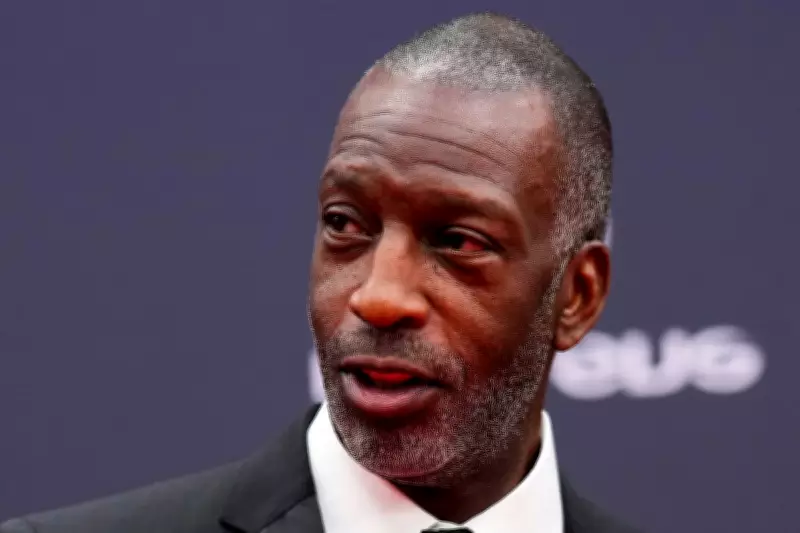
The ambitious Grand Slam Track (GST) athletics league, conceived by sprinting legend Michael Johnson to inject vital funds into the sport, has been declared bankrupt in late 2025, leaving dozens of runners and numerous vendors facing substantial unpaid dues. While established stars have been impacted, emerging hurdler Eric Edwards Jr represents the human cost of this spectacular collapse, with the promised earnings crucial for his livelihood now vanished.
Emerging Talent Faces Financial Devastation
According to the league's bankruptcy filing, Edwards is still owed over $19,000 - a relatively small entry among the list of more than 300 people and companies owed approximately $40 million by the venture. For the 26-year-old hurdler, however, this amount represents a substantial portion of his income, intended for essential expenses including rent, fuel, and training costs.
Speaking to The Associated Press, Edwards recalled his initial reaction to GST's offer of $12.8 million in prize money and bonuses simply for signing up: "I'm like, y'all are crazy." Now, a different kind of disbelief has set in. "I never thought a meet would not pay the money," he stated, highlighting the broken promises that have left his career in jeopardy.

League's Financial Woes Impact Athletes at All Levels
The bankruptcy filing reveals that GST owes Johnson himself more than $2.2 million, the result of a loan he made in May, just one week before the league's third event in Philadelphia that almost didn't happen. The league ultimately scrapped its fourth event, scheduled for Los Angeles in June, as financial problems mounted.
Other athletes owed significant sums include Olympic champions Sydney McLaughlin-Levrone ($268,750), Gabby Thomas ($185,625), Marileidy Paulino ($173,125) and world champion Melissa Jefferson-Wooden ($175,375). These athletes were among those GST signed with promises that track would still generate substantial income even outside Olympic years.
Controversial Restart Plans Draw Criticism
The Association of Athletics Managers - representing nearly four out of every five track and field athletes who won medals at recent Olympics and world championships - released a statement expressing shock that Grand Slam Track is moving forward with plans to restart the league later this year. Part of these plans involves setting aside $400,000 for athlete recruitment for the 2026 season.
"This would all be funded prior to any other 2025 payments being made," the statement noted. "The AAM does not support this approach." GST's president and CEO, Steve Gera - himself owed more than $170,000 according to the bankruptcy filing - did not return emails seeking comment.
Daily Struggle for Emerging Athletes
While established stars like McLaughlin-Levrone and Thomas rely on track as their primary profession, Edwards' situation represents the reality for many emerging athletes. Without shoe deals or major sponsors, he needs every penny to sustain his career. Though he received about half of what was owed, the remaining $19,000 represents a meaningful financial gap.
Edwards has been forced to take a part-time delivery job at Amazon to make ends meet while continuing training. He has also moved back home to Houston to live with his family, highlighting the financial pressures facing athletes without substantial sponsorship.
"When Grand Slam started up, I finished 15th in the world," Edwards said during a phone interview from France, where he's competing in indoor meets. "If you look at, like, the 15th-best wide receiver in the NFL, or 15th-best NBA player, they're making bank. The 15th-best hurdler in the world can't even pay rent. It's crazy how that happens, but that was my reality."
Training Amid Financial Uncertainty
Edwards' typical day when he's home begins with a 6 a.m. trip to his high school track to work out independently, following instructions his coach curated and sent to him. He keeps his Amazon work uniform in his car - along with a protein shake - enabling him to transition directly from training to a 10-hour shift.

With the Summer Olympics more than two years away representing his ultimate goal and potential path to financial stability, Edwards now lives day to day. The dream of a well-funded league rescuing athletics has evaporated into what he describes as "a far-off mirage."
"All I want is to be able to live comfortably off of all the hard work that I've put in," Edwards reflected. "That would be my dream - to be able to solely run track." His story underscores the precarious financial position of emerging athletes in a sport struggling to provide sustainable careers outside Olympic cycles.