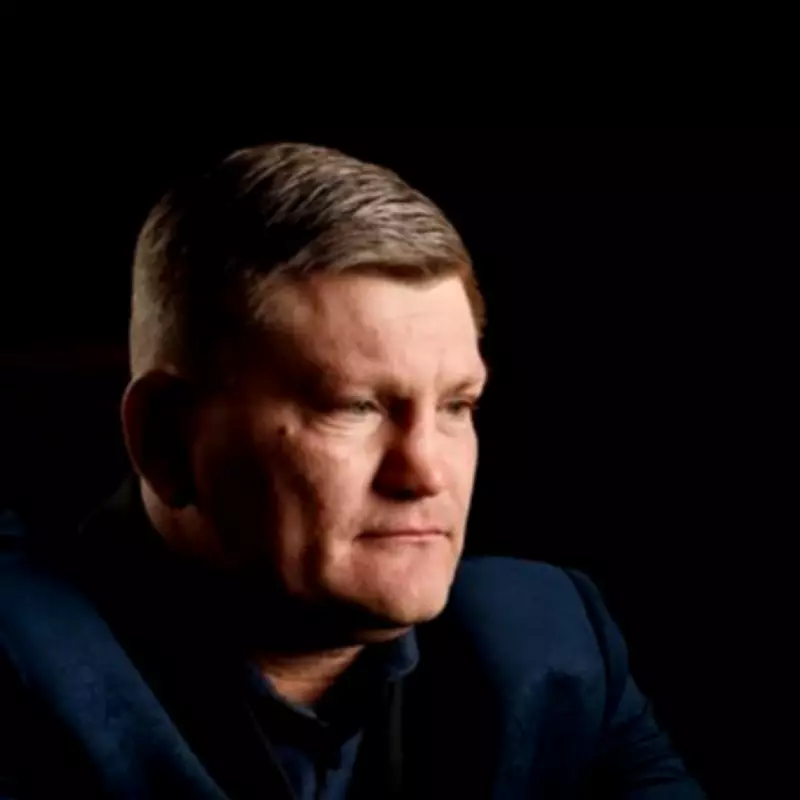
Inquest Reveals Ricky Hatton's Cause of Death Amid Mental Health Struggles
The inquest into boxing icon Ricky Hatton has concluded, determining the cause of death for the beloved fighter who passed away suddenly at his home last September. The 46-year-old former world champion, known as "The Hitman," was found dead on September 14, just three months before a planned return to the ring, while battling well-documented mental health issues.
Mother's Heartbreaking Account of Final Moments
In a statement read on behalf of his mother Carol at the inquest, she described seeing her son just two days before his tragic passing. She revealed that Hatton had discussed returning to boxing and selling his house, but noted with concern that his "eyes were sad" during their conversation. The emotional statement included the poignant detail: "The last hug he gave me almost broke my ribs."
Carol Hatton explained that her son was planning to visit his parents upon returning from Dubai, where he intended to discuss financial matters with his father. The boxing star had been preparing for a promotional trip to Dubai to promote his comeback fight, with his bag already packed according to family statements.

Substance Evidence and Circumstances of Death
Medical evidence presented at the inquest revealed complex findings about Hatton's final hours. Officials reported "evidence of prior cocaine use" but the doctor clarified there was no evidence of cocaine consumption in the hours immediately before his death. The post-mortem examination also detected cannabinoids in his system and significant alcohol intoxication, with levels equivalent to being "well over twice the drink drive limit."
Hatton's long-standing manager and friend, Paul Speak, discovered his body in the morning, finding the television on and an open bottle of wine at the scene. Greater Manchester Police confirmed there were no suspicious circumstances surrounding the premature death of the Manchester fighter.
Mental Health Battles and Boxing Career Impact
Ricky Hatton had been remarkably candid about his mental health struggles throughout his later years. He revealed experiencing suicidal thoughts following his devastating defeat to Manny Pacquiao in 2009, which came just 16 months after his first professional loss against Floyd Mayweather in 2007.
The boxer described how these professional setbacks, combined with personal difficulties, completely shattered his mental wellbeing. "I had a knife at my wrist every night," Hatton confessed to the Mirror during this dark period. He spoke about feeling isolated after parting ways with his long-time trainer Billy Graham and experiencing family estrangements, questioning his purpose in life.
Hatton explained his mindset at the time: "You can see how my mind was going up and down and up and down. And then I was just sat in my living room, thinking to myself, 'You've got no boxing no more, you can't share what you've done with your mum and dad, you can't share it with your trainer, you haven't got a wife anymore...' I thought, 'What do I need to be here for?'"Recovery Efforts and Family Perspectives
Following the birth of his daughter Millie, Hatton sought professional psychiatric help, dramatically dropping to his knees and pleading with his doctor: "You need to tell me what I'm going to do. I can't do it on my own. I need help." He became an advocate for mental health awareness, speaking openly about the stigma that prevents many from seeking support.
Despite his struggles, family members emphasized that Hatton appeared to be "in a good place" during the weeks preceding his death. His ex-partner Jennifer Dooley, mother of his two daughters Millie and Fearne, told the inquest he was making "positive plans for the girls" and looking forward to his Dubai trip. The children were reportedly excited to see their father box again.
Hatton's son Campbell provided testimony describing his father as "very happy, always very laid back, except when it came to sport." He added: "He lived his life in and out of the ring at a hundred per cent and as he always said he never regretted it. We felt he had been in the best place he had been in for years."

Legacy and Community Response
The former world champion's death triggered an outpouring of grief from supporters, family members, and fellow boxers across the sporting community. Hatton's openness about his mental health battles had made him a respected figure in discussions about athlete wellbeing, particularly in combat sports where such conversations have historically been limited.
His story highlights the complex intersection of professional athletic pressure, personal challenges, and mental health management that many high-profile sports figures navigate. The inquest findings provide closure while underscoring the importance of continued mental health support systems within professional sports and broader society.