Volkswagen ID. Cross Prototype Review: Polished Electric SUV Shows Promise
Volkswagen ID. Cross Prototype Review: Polished Electric SUV

Volkswagen ID. Cross Prototype Review: A Polished and Promising Electric SUV

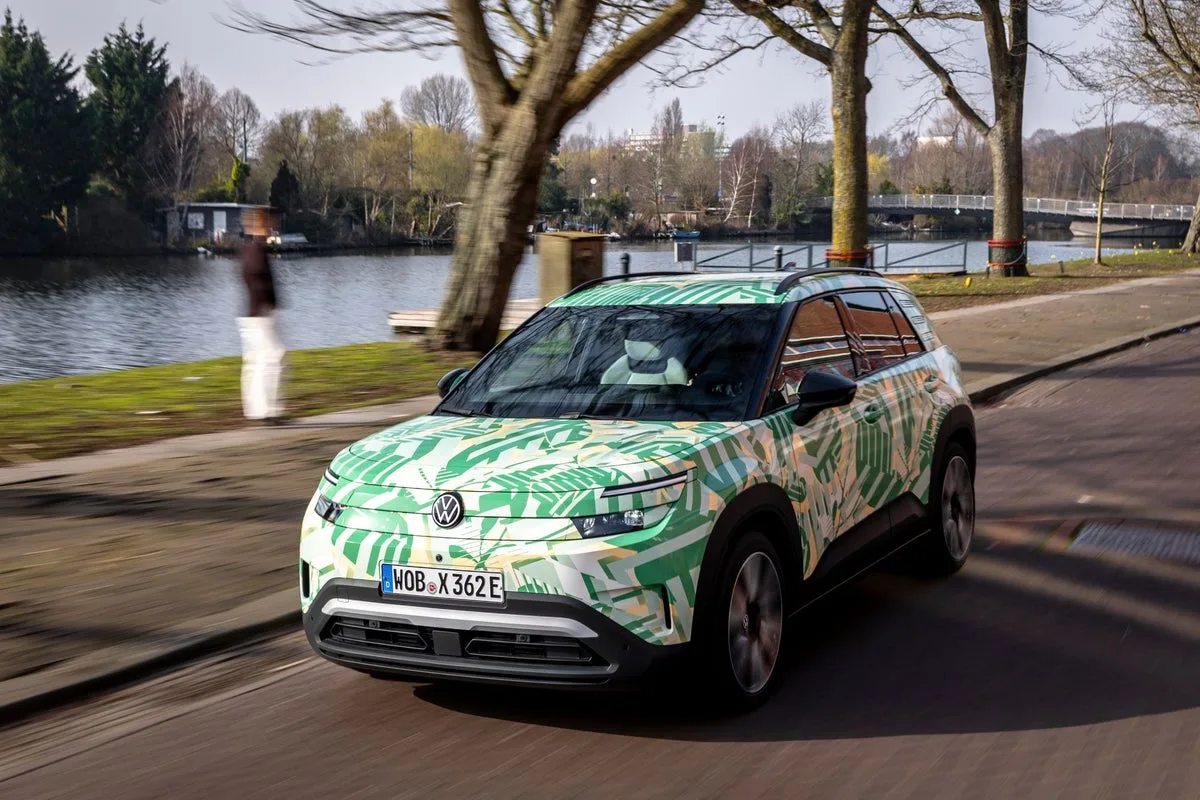
An exclusive early drive of a camouflaged prototype version of the upcoming Volkswagen ID. Cross suggests this compact electric SUV could emerge as one of the most convincing contenders in its class. The vehicle, part of Volkswagen's Electric Urban Car Family developed in Spain under Cupra's leadership, is set to hit showrooms in early 2027 and aims to embody the brand's core principles of emotion, efficiency, and engineering.

Driving Dynamics and Performance

During testing in Amsterdam, the 208bhp front-wheel-drive prototype demonstrated impressively mature dynamics for an early development model. Volkswagen has crafted a specific "Driving Dynamics DNA" for its electric vehicles, focusing on linearity, intuitive handling, and a balance between comfort and control. In the ID. Cross, this balance leans notably toward comfort, delivering a ride quality that feels remarkably polished and premium for a small SUV.

The car weighs under 1,500kg with a 55:45 front-to-rear weight distribution and features a new one-box braking system that provides natural pedal feel and consistent stopping power. Performance from the electric motor feels lively, though steering around the straight-ahead position exhibited some vagueness. Volkswagen engineers acknowledged this feedback and confirmed the production version will adjust the standard steering calibration to be more direct.

Battery, Range, and Charging Specifications

Volkswagen will offer the ID. Cross with two battery options. Entry-level models will use a 37kWh battery paired with 114bhp or 127bhp motors, offering up to 194 miles of range and 90kW DC rapid charging. The larger 52kWh battery version pairs with a 208bhp motor, delivering a claimed 271-mile range and supporting 105kW DC charging. While the peak charging rate is lower than some current ID models, Volkswagen has redesigned the charging curve to stay flatter longer, enabling a 10-80% charge in approximately 24 minutes.

Interior Design, Practicality, and Technology

Inside, the ID. Cross shares much with the upcoming ID. Polo, featuring an interior that feels genuinely upmarket for a car expected to start around £25,000. The cabin makes extensive use of premium sustainable materials and reintroduces physical controls, including a volume knob and separate climate controls, addressing past criticism of overly touch-based systems.

Technology highlights include a 13-inch infotainment touchscreen and a 10-inch digital driver display with retro-style graphics that echo classic Volkswagen instruments, adding personality. The car also introduces Volkswagen's new software architecture, Connected Travel Assist with swarm data, and vehicle-to-load and vehicle-to-grid capabilities.

Practicality is strong with a 475-litre boot expanding to 1,340 litres, though rear passenger legroom is somewhat tight. The car measures 4153mm long, 1816mm wide, and 1581mm tall, with a 2601mm wheelbase.

Pricing, Expectations, and Final Verdict

European pricing starts from €27,995 (approximately £24,150), but UK prices are expected to be just over £25,000 when sales begin in early 2027, rising to the low-to-mid £30,000s depending on specification. Volkswagen anticipates high demand, potentially outselling the ID. Polo hatchback.

Even in prototype form, the ID. Cross impresses with its premium ride quality, excellent interior, and robust technology. While minor refinements are needed, particularly in steering feel, and rear space limitations remain, the fundamentals are extremely convincing. If Volkswagen delivers on its promised price point and addresses these small issues, the ID. Cross could become one of the most compelling compact electric SUVs on the UK market.