WADA Considers Rule Change That Could Ban Trump from LA Olympics
WADA Rule Change Could Ban Trump from LA Olympics

World Anti-Doping Agency Proposes Rule Change That Could Exclude US Officials from LA Olympics

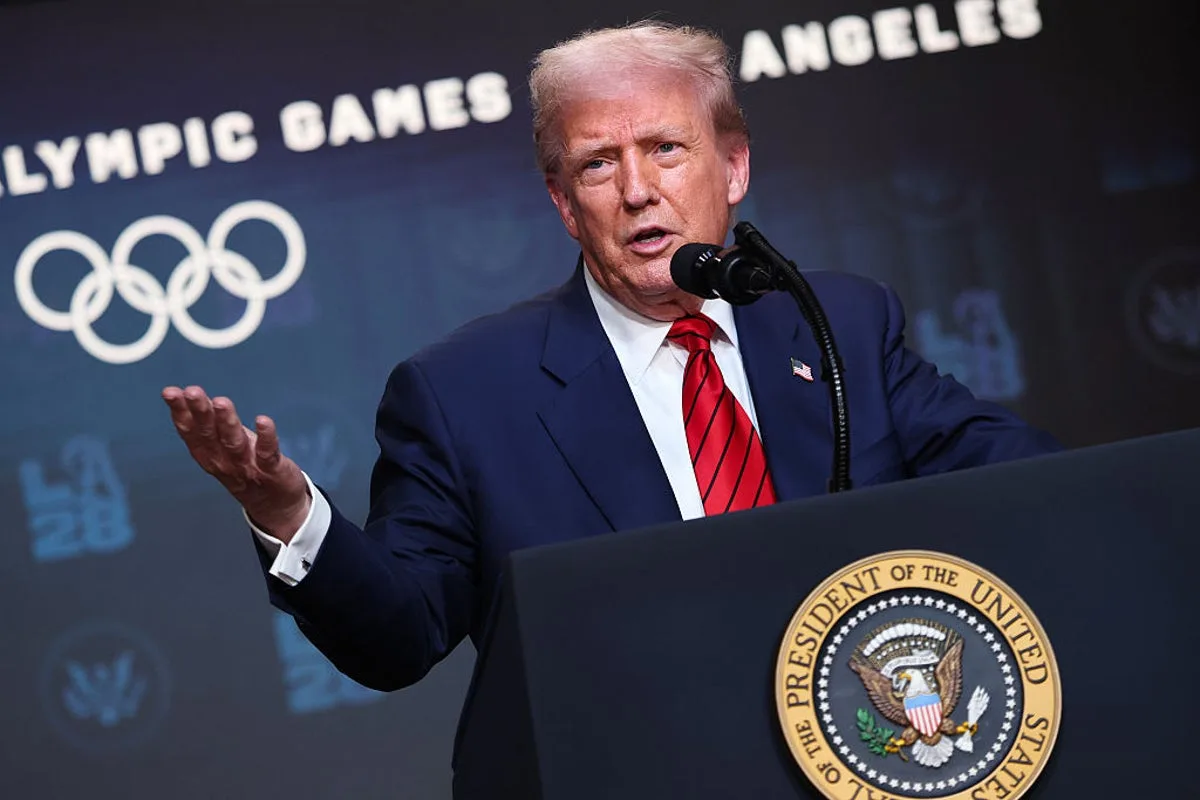
The World Anti-Doping Agency (WADA) is reportedly examining a significant rule change that could potentially bar United States government officials, including former President Donald Trump, from attending the 2028 Los Angeles Olympic Games. This development stems from ongoing disputes over unpaid membership dues and broader concerns about transparency within the global anti-doping watchdog.

Background of the Funding Dispute

According to a report by the Associated Press, WADA officials are proposing to rewrite their regulations following years of withheld payments from the United States government. The US has not paid its dues to WADA since 2023, largely in response to the agency's handling of a high-profile doping case involving Chinese swimmers and several other contentious issues. The proposed rule would apply to any government that fails to pay its dues by January 31 of the year following billing.

WADA spokesman James Fitzgerald has described the AP story as "entirely misleading," emphasising that discussions about addressing governments' withholding of funding have been ongoing since 2020 and are not directly targeted at the United States. He stated there is "nothing new here," though the proposal's implications have sparked considerable debate.

Details of the Proposed Sanctions

The proposed rule change would introduce a three-tiered set of sanctions for countries that fail to meet their financial obligations to WADA. For the United States, this would involve approximately $3.7 million in unpaid dues from last year, plus an additional $3.6 million from 2024. Among the most severe potential penalties is the exclusion of government representatives from participating in major sporting events, such as World Championships and the Olympic & Paralympic Games.

This sanction could theoretically apply to former President Donald Trump, Vice President J.D. Vance, and members of Congress, though WADA acknowledges it would have limited practical power to enforce such a ban. The agency noted in its response to the AP story that if the proposals were implemented, they would not apply retroactively, meaning events like the FIFA World Cup, the 2028 LA Olympics, and the 2034 Salt Lake City Winter Games would not be covered under the new rules.

Political and Practical Implications

The proposal has drawn sharp criticism from US officials. Sara Carter, director of the US Office of National Drug Control Policy (ONDCP), asserted, "In spite of WADA’s increasing threats, we continue to stand firm in our demand for accountability and transparency from WADA to ensure fair competition in sport." Her predecessor, Rahul Gupta, who previously served on WADA's executive board, lambasted the idea as "ludicrous," questioning how a Swiss foundation with a $50 million budget could enforce such a rule against the US President.

Gupta highlighted enforcement challenges, asking, "How are you going to enforce it? Are they going to post a red notice from Interpol? It’s clear they have not thought this through." The proposal was initially raised in 2024 but faced rejection after US authorities lobbied against it. Notably, the US no longer holds a seat on the relevant WADA committee, potentially limiting its influence over the decision-making process.

Timing and Future Considerations

WADA has indicated that the proposal could be implemented without undue delay, with the Foundation Board possibly considering it via circular or an extraordinary meeting. However, with the next board meeting scheduled for November and the non-retroactive nature of the rule, it remains unclear how it might impact upcoming events like the 2028 Olympics.

The report has also raised questions about whether the proposal could affect Trump's attendance at other major events, such as the World Cup, though WADA has clarified that the timing likely precludes immediate application. Despite the symbolic nature of the potential ban, the ongoing dispute underscores deeper tensions between the United States and international sporting bodies over governance and funding in anti-doping efforts.