Iranian Footballers Defy Pressure, Begin New Chapter in Australia
Two Iranian women footballers who chose to remain in Australia after seeking asylum have started training with their new professional club, Brisbane Roar, expressing optimism despite ongoing concerns about pressure from Iranian authorities on their families back home.
"Everything Will Be Fine"
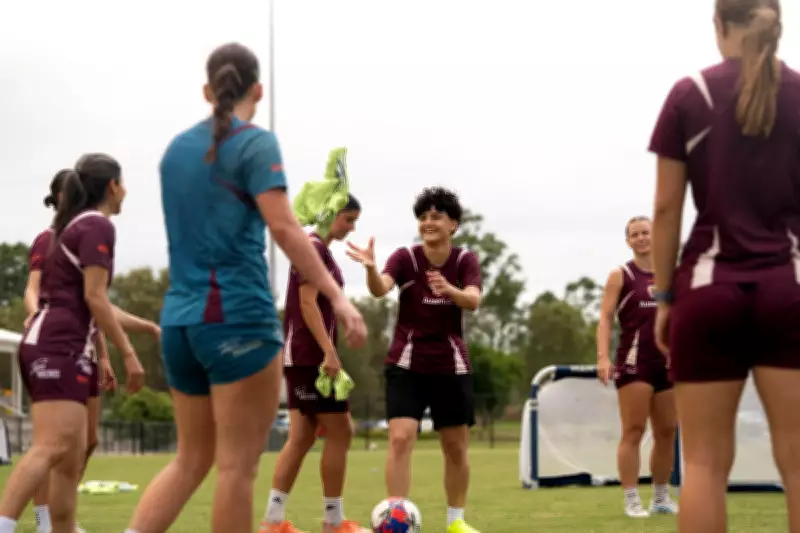
Fatemeh Pasandideh, 21, posted on Instagram with a peace sign emoji alongside FIFA's head of football Jill Ellis, declaring "everything will be fine" as she and teammate Atefeh Ramezanisadeh, 33, joined their first training session with the Queensland team. The women wore Brisbane Roar colours as they integrated with the A-League Women squad.
Ramezanisadeh also expressed gratitude on social media, thanking Brisbane Roar for their welcome. Club chief executive Kaz Patafta confirmed the club remains "committed to providing a supportive environment for them whilst they navigate the next stages" of their careers and lives in Australia.

Diplomatic Row and Reversals
The situation developed after Australia's government offered humanitarian visas to most of Iran's women's football squad following their elimination from the Women's Asian Cup. This sparked a diplomatic dispute with Tehran accusing Canberra of applying "psychological" pressure on the athletes.
Originally, seven members of the 26-person Iranian delegation sought asylum in Australia, but five subsequently reversed their decisions and returned to Iran via Malaysia and Oman. The remaining two footballers—Pasandideh and Ramezanisadeh—have now firmly committed to staying in Australia.
Pressure Campaign Allegations
Former Iranian football player Shiva Amini revealed on social media platform X that "the Iranian Football Federation, working with the Islamic Revolutionary Guard (IRGC), has placed intense and systematic pressure on the players' families in Iran."
Amini specifically mentioned team captain Zahra Ghanbari, whose father recently passed away, noting that authorities were "putting pressure on her mother" to influence her decision. She described this as demonstrating "the level of cruelty and desperation they are willing to use" to compel athletes to comply with regime expectations.
Community Concerns and Government Response
Iranian-Australian community leader Tina Kordrostami expressed serious concerns that the regime would use threats to persuade the remaining players to return to Tehran. She identified technical staff member Zahra Soltan Meshkehkar—who left Australia on Saturday night—as playing a "key role in persuading the players to reverse their decisions," describing her as a "mother figure" to the younger athletes.
Australian Home Affairs Minister Tony Burke acknowledged the difficult circumstances, stating that while the government provided opportunities and communication, "we cannot remove the context in which the players are making these incredibly difficult decisions."
Background of Protest and Asylum
The saga began when some Iranian players stayed silent during their national anthem before their first Asian Cup match—an act interpreted by some as protest or mourning following Ayatollah Khamenei's death. Though the players sang the anthem in subsequent matches and never publicly explained their initial silence, they were labelled "wartime traitors" in some quarters.
Australian officials conducted private airport meetings without team minders to offer asylum options. Human rights activist Sara Rafiee, who campaigned for the players' asylum, noted that community members fear "significant pressure may have been exerted on the players" potentially through support staff who might have been "used by the regime to influence the players from within."
As the Iranian soccer delegation continues its journey home, the two footballers in Brisbane begin their new professional lives, representing both sporting opportunity and political defiance in a complex international situation.