England Captain Leah Williamson Warns of Potential Strike Over Fixture Scheduling
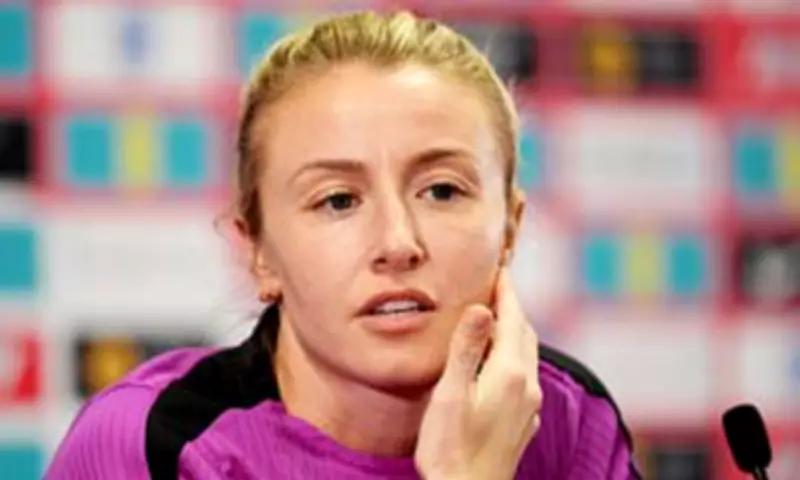
England captain Leah Williamson has declared that women's footballers would not rule out strike action, as growing concerns over fixture scheduling and player welfare escalate. The Arsenal defender highlighted the physical toll on players, with many struggling with injuries after a demanding season.
High Minutes and Injury Toll
Williamson's Arsenal teammates recorded the second highest average minutes played per player last season, as they progressed deep into competitions, including reaching the final of the Women's Champions League. Key players such as Williamson, Chloe Kelly, Alessia Russo, and Mariona Caldentey then competed in the Women's Euros final just nine weeks later.
This intense schedule has led to a wave of injuries in the current campaign, affecting at least ten of Williamson's England teammates. Among those impacted are Hannah Hampton, Lucy Bronze, Lauren James, Lauren Hemp, Chloe Kelly, Ella Toone, and Williamson herself. Additionally, Michelle Agyemang suffered an ACL injury at the start of the season.

Player Welfare Concerns
Speaking ahead of England's World Cup qualifier against Ukraine, Williamson, who recently returned to the squad after a five-month absence due to a knee injury sustained in the Euros final, emphasized the need for better rest periods. "There's obviously not that many of us, if any of us, who have a scientific background and expertise in it other than experience, so I think what we can do is say how we feel and the toll that's taken on us," she stated.
Williamson explained that players are willing to provide data on training loads and female health to help governing bodies make more informed decisions. "But it's mainly around the rest periods and trying to get all governing bodies to align. It always sounds like we're asking for a holiday, but that's not the case," she added. "I'm a professional footballer and part of my job is also to rest, which I'm encouraged to do by my managers and environments we play in. So why is that not prioritised when we're left to our own devices?"
Growing Fixture Demands
The number of games is increasing while recovery time diminishes. For instance, Spain's Aitana Bonmati played 60 games across six competitions for Barcelona and Spain last season, with 57% of her matches following less than five days of recovery.
Williamson noted the balance needed between growth and player health: "Across men's and women's football, the possibility for growth in the game never seems to end, and the money that's on the table for everyone involved. We benefit from that too, but there has to be a balance."
Strike Action as a Last Resort
When asked about the possibility of strike action, Williamson replied: "I've not had any conversations about this right now, but if a group of people don't feel like they're getting listened to, then history suggests that's the only way they can be heard, so I would never take it off the table." She clarified, however, that collaboration is still preferred: "I don't think that's where we are now. I think we're still in a place where we can collaborate, listen and educate."
Williamson's teammate Keira Walsh has also voiced concerns about the congested schedule, stating there "wasn't enough recovery time" between games, underscoring the widespread unease among players.