Milan's Olympic Pin Craze Ignites Early Morning Sprints and Global Trading
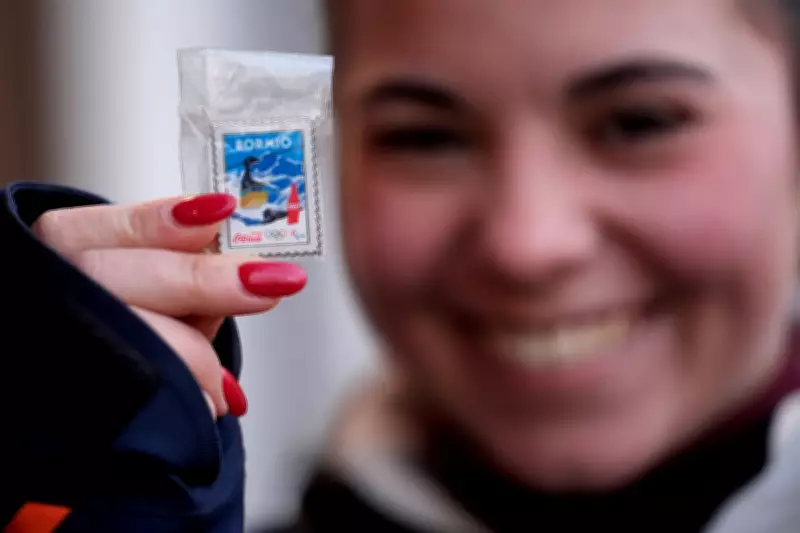
In Milan, the dawn hours have transformed into a competitive race for Olympic enthusiasts, as collectors eagerly await daily Instagram clues to locate highly sought-after, limited-edition pins. Each morning, groups gather at metro stations, phones in hand, ready to sprint to locations like Castello or the Duomo upon receiving a post from YesMilano, the city's promotional agency. These pins, offered free while supplies last, have sparked a frenzy, with participants developing strategic systems to be first in line.
Social Connections and City Exploration Through Pin Hunting
Ilaria Pasqua, an English teacher in Milan, has risen early every day since Saturday to secure pins from seven neighborhoods and five iconic landmarks. She teamed up with three fellow collectors met on the first day, emphasizing the social and exploratory benefits. "I know it can sound extreme, but I've met these people, and it's a way to get to know the city," Pasqua said. After obtaining her pins, she hides them deep in her coat pocket to avoid unwanted trades from latecomers, highlighting the competitive yet communal spirit of the hunt.
Official Pin Trading Centre Revives Olympic Tradition
For those preferring direct exchanges, Milan hosts the first official pin trading centre since Pyongyang in 2018. Sponsored by Warner Brothers, it features Looney Tunes character interactions for children and tables for die-hard traders from the United States and Japan. Eddie Schneider from New York, with a collection of 25,000 pins including one from the 1948 London Games, described it as "like going to a World's Fair every two years," offering cultural experiences and fun.

Elite Collectors and Authenticity in Pin Culture
Elite collectors prioritize pins with intrinsic value, such as Japanese media pins for their rarity. Official pins incorporate the Milan Cortina 26 logo and Olympic rings, produced exclusively by Honav, the rights-holder. Mario Simonson, Honav's owner, noted that pins without these features hold "zero value" for serious traders, with the International Olympics Committee collecting royalties. The company has designed hundreds of pins and produced millions for the Games, each authenticated with a Honav backstamp.
Pindemonium and Community Growth Post-Pandemic
Josh Waller, a 21-year-old from London with over 10,000 pins, calls the phenomenon "Pindemonium." He brought 1,500 pins to Milan and volunteers at the trading centre, where thousands, including athletes and families, lined up over the weekend. Mark Gabriel, a Warner Brothers executive, expects trading to reach "a fever pitch" on the Games' second weekend. The community has expanded online since the Tokyo Games, with Waller developing software to authenticate high-value pins.
City Promotion and Overwhelming Response to YesMilano Campaign
YesMilano's campaign promotes under-visited city areas and landmarks, exceeding organizers' expectations. On the first day, over 1,000 people gathered in the NOLO neighborhood, with 600 at Torre Velasca the next day, despite a 250-pin limit. Latecomers receive consolation stickers, but pins can be purchased for 20 euros at souvenir vendors due to high demand. Beatrice Biondi traveled from Varese, waking at 6:30 a.m. to be first at Sforza Castle, her first foray into Olympic memorabilia after university exams. "We had to run a bit, but we made it," she said, planning to collect additional pins from sponsors like Coca-Cola.