Anyone wanting to attract birds to their gardens needs three specific plants, according to gardening expert Alan Titchmarsh. In a recent video on his YouTube channel, he shared the top wildlife garden plants that birds 'love'.
Why Birds Need More Than Feeders
Keeping a bird feeder well-stocked is the most obvious step when looking to attract birds to your garden, but there is far more to it than simply filling up a feeder with seed. Birds require a varied diet, adequate shelter, and suitable spots to nest. Safety from predators such as birds of prey and cats is something many gardeners frequently overlook. Birds can become anxious out in the open, so it is essential to provide them with a secure spot where they can comfortably feed.
To achieve this, celebrated gardening expert Alan Titchmarsh recommends growing three specific plants that birds 'love' in a video on his YouTube channel dedicated to wildlife-friendly gardening. He opened the video by saying: 'Our gardens have always been important havens for wildlife. Today I am going to show you some of my favourite plants, which will encourage them.'

Cotoneaster Horizontalis
Commonly known as the fishbone cotoneaster, this eye-catching, low-growing, spreading shrub resembles a fishbone and boasts striking, bright, round, glossy leaves that turn a vivid orange-red in autumn before dropping. Alan pointed out: 'In autumn, it carries lots and lots of bright red, small, bite-sized berries. Birds love it. It is a really good winter food plant for birds, and being quite thick, it can be a really good nesting place.'
Berberis Darwinii Compacta
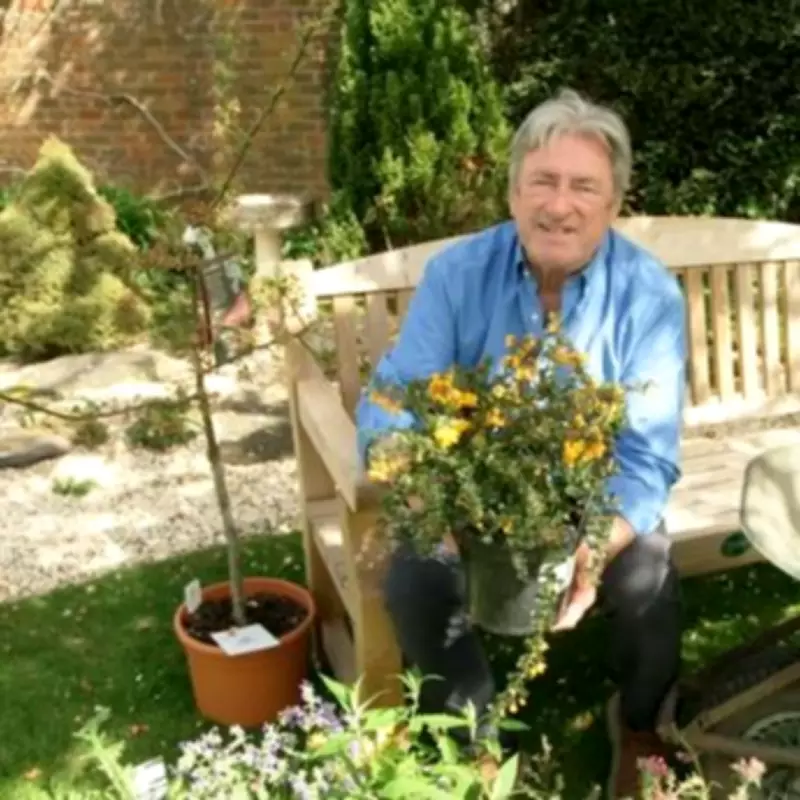
Named in honour of Charles Darwin, this plant bursts into 'glorious flowers' during spring and early summer, and 'each miniature flower on the plant looks like a miniature daffodil'. Alan notes that this plant offers a 'double whammy' for wildlife. He explained: 'Not all berberis are evergreen. This one is, which means it forms a thicket, great for bird nesting.' The plant also produces berries once the flowers fade, providing both food and shelter. Alan Titchmarsh noted that 'bees love the open flowers' of these blooms.
Malus Sargentii
Commonly referred to as a crab apple tree, these are ideally suited to smaller gardens and are adorned with rosy pink blossoms that open to reveal a white interior. Once it flowers in spring, this tree goes on to bear autumn fruits. Alan said: 'You can use them for crab apple jelly, or you can leave them for the birds, and they will adore them.' You can even hang bird feeders from them and grow other plants for wildlife underneath.