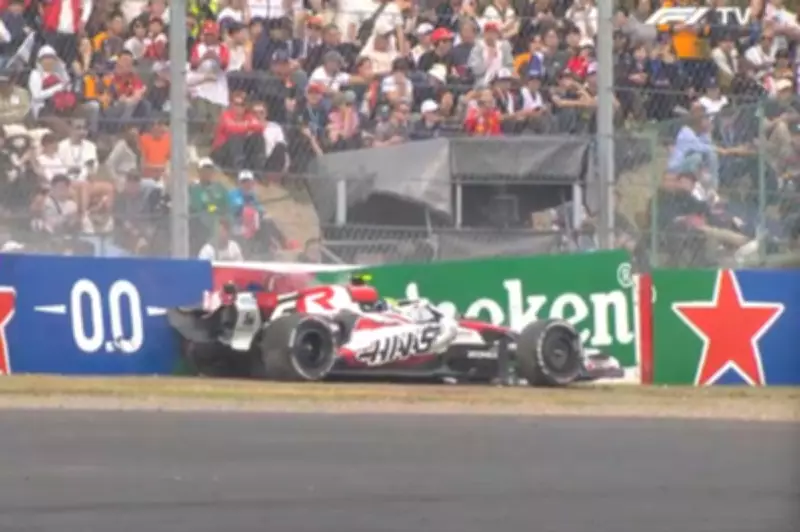
British Formula 1 driver Ollie Bearman was involved in a high-speed crash at the Japanese Grand Prix on Sunday, reaching speeds of 191mph before colliding with a barrier at the Suzuka circuit. The incident occurred during the 22nd lap of the race, as Bearman attempted an overtaking manoeuvre on Franco Colapinto, losing control of his Haas vehicle in the process.
Immediate Aftermath and Medical Assessment
Following the crash, Bearman emerged from his car visibly injured, unable to put weight on his right leg. He was promptly assisted to the on-track medical centre for evaluation. A spokesperson from the Haas team later confirmed that the impact measured a staggering 50G, highlighting the severity of the collision.
Positive Diagnosis Despite High-Speed Impact
Medical examinations, including X-rays, revealed no fractures, with Bearman diagnosed solely with a contusion to his right knee. This outcome was described as fortunate given the extreme forces involved, allowing the young driver to avoid more serious injuries that could have resulted from such a high-velocity accident.

Race Implications and Safety Car Deployment
The crash necessitated the deployment of the safety car, which significantly altered the race dynamics. This interruption provided an opportunity for Kimi Antonelli to make a strategic tyre change, ultimately propelling him into the lead position. The incident underscores the unpredictable nature of motorsport, where split-second events can reshape competitive outcomes.
Bearman, aged 20, has been a rising star in Formula 1, and his ability to walk away from this crash with minor injuries is a testament to modern safety standards in the sport. Further updates on his condition and recovery timeline are anticipated in the coming days as he undergoes additional assessments and rehabilitation.