F1 Engine Controversy Settled Just Before Season Opener
A compromise solution has been unanimously approved by the FIA to address a significant engine regulation loophole, resolving a controversy that threatened to disrupt the start of the new Formula One season in Australia next week. This development comes as the sport undergoes its most substantial regulatory changes in decades, affecting both engine and chassis designs.
Compression Ratio Debate at the Heart of the Issue
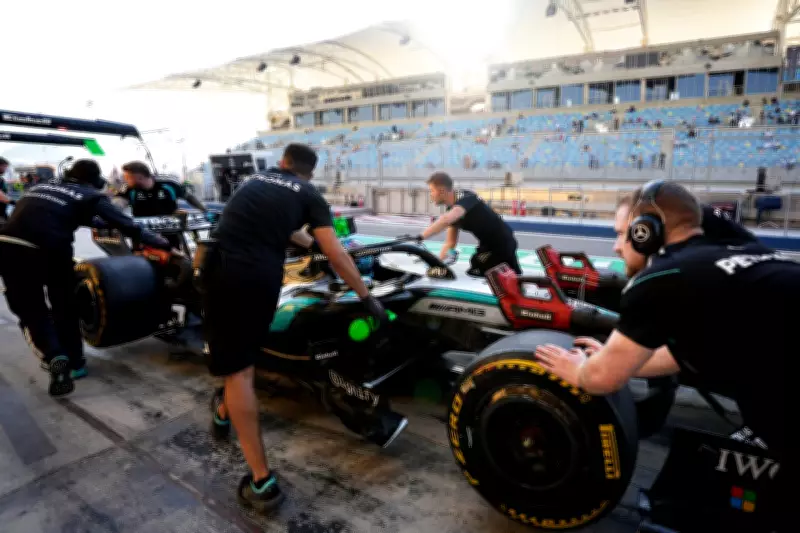
Engine compression ratios have been a focal point of discussion, with Mercedes suspected of exploiting a loophole to enhance performance through the thermal expansion of components. There were concerns about potential protests following the Melbourne race, but the FIA's intervention has aimed to preempt such disputes.
In a statement released on Saturday, the FIA confirmed that amendments to the 2026 regulations were approved via an e-vote by its World Motor Sport Council. The governing body emphasized that a significant effort was invested in finding a resolution to the compression ratio topic, working towards a compromise that ensures fairness.

Key Changes to the Regulations
The new rules stipulate that the compression ratio will be controlled in both hot and cold conditions starting from 1 June 2026. From 2027 onwards, monitoring will only occur in operating conditions. Initially, the FIA had proposed enforcing compliance at a representative operating temperature of 130 degrees Celsius from 1 August, which would have impacted more than half of the 24-race season before any adjustments were made.
Mercedes, which supplies V6 engines to four teams including champions McLaren, Williams, and Alpine, has stated that any regulatory changes will not affect their performance. However, suspicions persisted that they gained an advantage by manipulating the compression ratio when engines run hot, despite all engines complying with the cold-condition limit of 16:1.
Broader Implications for Formula One
This controversy highlights the challenges of introducing major regulatory overhauls. The FIA acknowledged that with such significant changes, there are collective learnings to be taken from pre-season testing and the initial rounds of the 2026 championship. Further evaluations and technical checks on energy management matters are ongoing, indicating that the governing body remains vigilant to ensure competitive balance.
In addition to the engine regulations, the FIA approved amendments to sporting and financial regulations, underscoring a comprehensive approach to governance. The resolution aims to maintain the integrity of the sport as it embarks on this new era, with all manufacturers, including Red Bull, Audi, Honda, and Ferrari, now aligned under the updated rules.