Nico Rosberg Offers Support for Controversial 2026 F1 Regulations
Former Formula One world champion Nico Rosberg has moved to downplay the intense criticism surrounding the new F1 rules and regulations implemented for the 2026 season. The sweeping changes, which include a radical shift in power unit composition and chassis design, have sparked fierce debate across the paddock after the opening three races of the year.
A Grid Divided Over New Technical Era
The 2026 regulations mandate a near 50/50 split between internal combustion engine output and electrical power, a move aimed at boosting sustainability. The cars are now lighter, more compact, and feature advanced active aerodynamics alongside driver-activated modes like 'Boost Mode' and 'Overtake Mode'. However, these innovations have not been universally welcomed.
Several drivers have voiced significant concerns about the practical impact on racing. Issues include the need to 'lift-and-coast' at the end of straights to harvest energy, a manoeuvre seen as counterintuitive to flat-out racing. Furthermore, some on-track battles have been criticised as feeling manufactured or 'artificial'.

Leading the charge of dissent is four-time world champion Max Verstappen, who has been particularly scathing. The Red Bull driver has labelled the new regulations as 'anti-racing' and provocatively compared the spectacle to 'Formula E on steroids'.
Rosberg's Defence: Relevance and Racing Over Technology
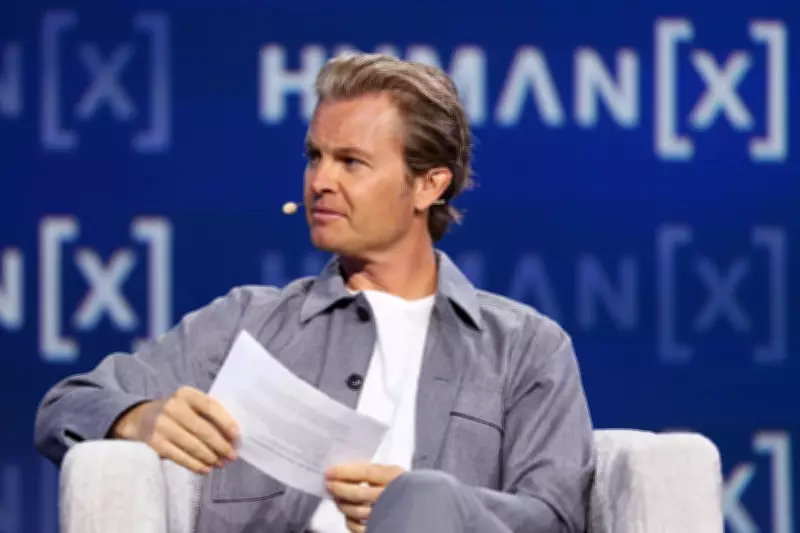
In contrast, 2016 champion and Sky Sports pundit Nico Rosberg, who is also an investor in sustainable technologies, has adopted a more measured stance. Speaking to Bloomberg at the HumanX AI Conference in San Francisco, Rosberg defended the direction of the sport.
'F1 is pursuing the technology that is most relevant to society, so this power unit is probably one of the most efficient there is in the world,' Rosberg explained. '50 per cent battery power, that's a lot. And also, as you know, the fuels are CO2-neutral. Biofuels, synthetic fuels, a mixture of that. So it's a CO2-neutral fuel.'
He acknowledged the current criticisms, particularly the awkward spectacle of drivers downshifting on straights as battery power depletes. 'From a spectator point of view, it's a bit awkward when you're supposed to be going flat out with the highest performing Formula 1 car,' he conceded.
Nevertheless, Rosberg emphasised a focus on the racing spectacle itself. 'I'm a bit more easygoing on that, because from my point of view, as long as there are great battles, intra-team, and the other teams in the battle... then I think all the fans won't mind what the technology is and will just love and appreciate the racing and the battles.'
Mercedes Revival and the Antonelli Story
Rosberg pointed to the current competitive landscape as a reason for optimism. Mercedes, the team he drove for, appears to have the fastest car and is enjoying its first genuine intra-team title battle in a decade, since Rosberg's own duel with Lewis Hamilton.
This year, 19-year-old rookie sensation Kimi Antonelli leads teammate George Russell in the standings after three rounds. 'What an amazing story we have, 19-year-old Kimi Antonelli, the ultimate underdog, is leading this world championship, three races in,' Rosberg added with enthusiasm. 'So that's wonderful. He has so many fans.'
Rosberg expressed hope that rivals like Ferrari could close the gap to Mercedes, and that McLaren's resurgence continues, fostering a multi-team championship fight. The next opportunity to assess the new regulations in action will be at the Miami Grand Prix, scheduled for 1-3 May.