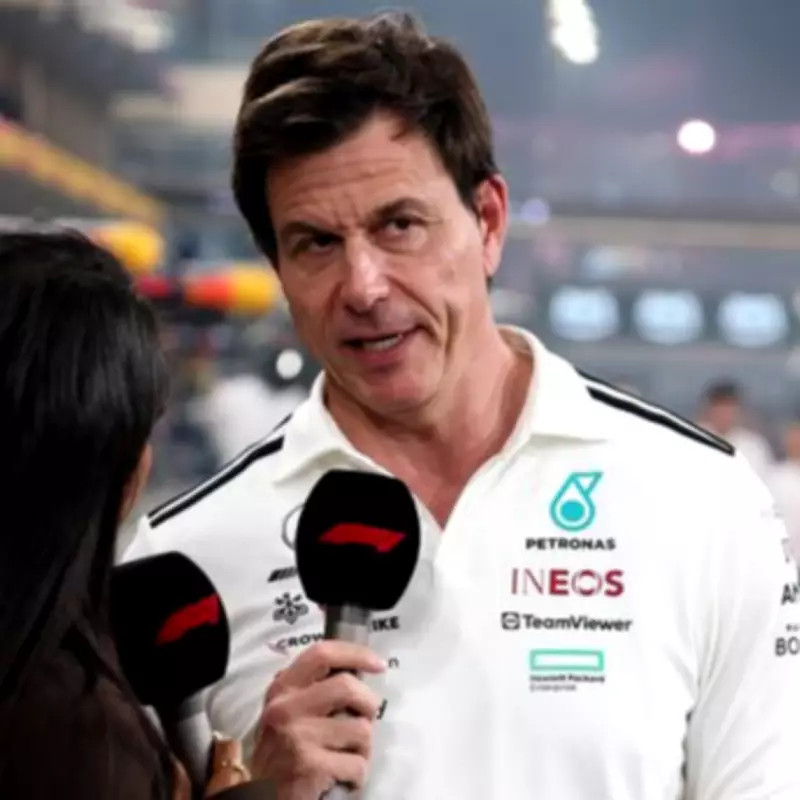
Toto Wolff Shares Mixed Feelings on Christian Horner's F1 Comeback Prospects
Mercedes team principal Toto Wolff has openly discussed his ambivalent stance regarding the potential return of Christian Horner to the Formula 1 paddock. In a revealing interview, Wolff admitted to being "in two minds" about the prospect of his former rival re-entering the sport, while also providing updates on Mercedes' own strategic considerations.
Horner's Path Back to Formula 1
Christian Horner, who departed his role as Red Bull team principal in July, has been actively exploring avenues for a comeback. Initial speculation linked him with a move to Aston Martin, but that team ultimately appointed Jonathan Wheatley instead. More recently, Horner has been associated with a potential investor consortium aiming to acquire a 24 percent stake in the Alpine F1 team.
This development places Horner in potential direct competition with Wolff once again, as Mercedes is simultaneously evaluating the purchase of private investment firm Otoro Capital's shareholding in Alpine. Wolff was quick to clarify that any investment decision by Mercedes would be entirely separate from Horner's activities.

Wolff's Candid Assessment of Horner
Speaking to the Press Association, Wolff offered a nuanced perspective on Horner's possible return. "He has broken quite a lot of glass, and these things have repercussions in our microcosm," Wolff remarked, referencing past controversies. "When you say things... but that is what he has done all his life, and that is what he knows best."
Wolff elaborated on his conflicted emotions, stating, "I am in two minds about it. The sport is missing personalities. And his personality was clearly very controversial and that is good for the sport." He drew a comparison to a conversation with Ferrari team principal Fred Vasseur, noting that Formula 1 needs "the good, the bad, and the ugly" and currently lacks "the bad" since Horner's departure.
Reflections on Rivalry and Respect
Despite their historically intense rivalry, Wolff acknowledged Horner's achievements and expressed no ill will. "Would I consider that he could ever be an ally or someone that shares objectives? I don't think so," he admitted. "But even when I had the biggest frustration, and anger with him, you need to remind yourself that even your worst enemy has a best friend so there must be some goodness."
Wolff reflected that under different circumstances, their relationship might have been more amicable. "If there wasn't that competitive rivalry over so many years, and if there was more water down the river, I am sure I could have hung with him over dinner and had a laugh." However, he conceded that past conflicts remain puzzling, saying, "Over those years it was just too intense, too fierce, and things happened which even today I cannot comprehend why he has done them."
Strategic Considerations and Future Outlook
Addressing the Alpine investment speculation, Wolff emphasized that Mercedes' evaluation is purely business-driven. "The idea that there is a rivalry between Christian and me around who buys an Alpine stake is made up," he stated. "It would be quite sad if that was a consideration of doing such an investment or not. We are looking at it from different angles, and we haven't come to any conclusions. We want to know whether it makes sense."
Regarding Horner's future, Wolff remained philosophical. "I don't know if he is finding his way back, and in which function. I certainly don't wish him bad. And we need to give each other credit. There are not many team principals who have done what he has done." He concluded with a note of acceptance: "I see a situation that whatever happens, whatever outcomes there may be, whether he comes back to Formula One or not, I am at ease with it."
This candid exchange highlights the complex dynamics within Formula 1's leadership, where professional respect coexists with personal rivalry, and strategic business decisions are carefully weighed against the sport's need for compelling personalities.