Brisbane Olympics Rowing Venue Faces $500 Million Price Tag and Crocodile Concerns
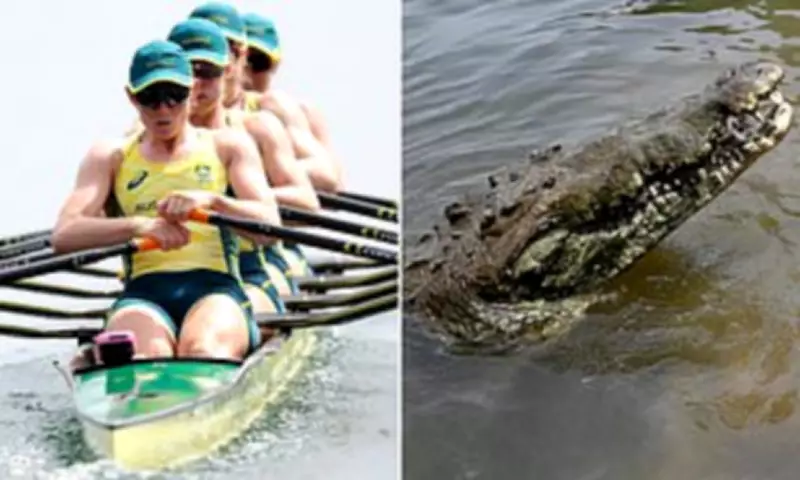
Preparations for the 2032 Brisbane Olympics have hit a significant hurdle, with estimates revealing that constructing a temporary rowing course on the Fitzroy River in Rockhampton could cost as much as $500 million. The venue, located approximately 630 kilometers north of Brisbane, is known for its population of saltwater crocodiles, adding a unique layer of complexity to the project.
Infrastructure Costs and Government Commitments
The state and federal governments have already allocated a maximum of $7.1 billion for Games venue infrastructure, with $3.8 billion specifically earmarked for the Brisbane Stadium at Victoria Park. However, the Games Independent Infrastructure and Coordination Authority (GIICA) has issued a warning that the narrow width of the Fitzroy River necessitates a $400 million upgrade to meet international standards. An additional $100 million would be required for essential infrastructure, including grandstands and Olympic-level boatshed facilities.
Deputy Premier Jarrod Bleijie has remained tight-lipped about the proposed work, which involves widening and dredging the river. This development comes amid calls from the City of Moreton Bay Council for a permanent flat water facility, which they argue could be built for $250 million, offering a more cost-effective and lasting solution.

Crocodile Risks and Safety Measures
The Fitzroy River is home to a thriving population of saltwater crocodiles, a fact that has raised eyebrows since the venue was selected in March last year. Last year, a four-meter crocodile made headlines after being spotted with a large black dog in its mouth, highlighting the potential dangers. The crocodile population has grown significantly since the reptiles became a protected species under Australian law in the 1970s.
Despite these concerns, Sarah Black, President of the Fitzroy Rowing Club, insists that Olympic rowing events can be staged safely. "The Fitzroy is a natural habitat for crocodiles, we are well aware of that," she said. "Some reports in the media have been sensationalised, with comments around it being crocodile-infested. In terms of major events, local events, even our weekly training, we have processes in place for reporting and talking to our local environmental officers around the different behaviours of crocodiles and understanding their behaviour. It is risk managed and something our sport does quite well."
Debate Over Permanent vs. Temporary Facilities
Olympic rower Gary Lynagh, a three-time world champion, has expressed skepticism about the Fitzroy River as a permanent facility. "In terms of a legacy venue, it has to be in Brisbane," he argued. "It came as quite a shock when they announced the Fitzroy River. It's not like Rockhampton's seen as a terrible place to go… but as far as being a permanent rowing facility, it can't be (a permanent facility) because when it floods it is affected."
The region, situated between Brisbane and the Sunshine Coast, faces logistical challenges, and there are fears that rowing events could be shifted to Sydney's International Regatta Centre if issues persist. The debate continues as stakeholders weigh the high costs and safety risks against the potential for a temporary venue that may not leave a lasting legacy for Queensland's rowing community.