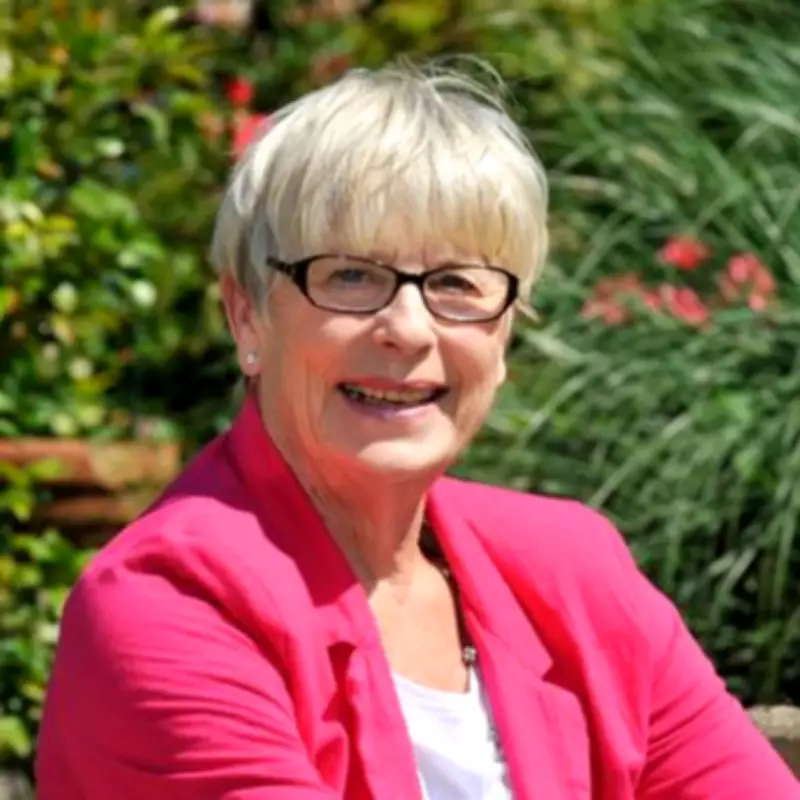
British Olympic Icon Mary Rand Passes Away at Age 86
The sporting world is mourning the loss of Mary Rand, a pioneering British athlete who made history at the 1964 Tokyo Olympics. Rand, who became the first British woman to secure three medals at a single Olympic Games, has died at the age of 86. Her groundbreaking achievements in track and field have left an indelible mark on British sports history.
A Trailblazing Career and Historic Olympic Triumph
Mary Rand's crowning moment came at the Tokyo 1964 Olympics, where she captured the long jump gold medal with a stunning performance. On her very first attempt, she set a new British and Olympic record with a leap of 6.59 metres. She didn't stop there, going on to shatter the world record with an incredible 6.76m jump that secured her place in athletic history.
Her Olympic success extended beyond the long jump pit. Rand also claimed silver in the inaugural women's pentathlon event and added a bronze medal as part of the 4x100m relay team. This remarkable triple-medal achievement made her the first British woman to accomplish such a feat at a single Olympic Games, setting a new standard for female athletes in the United Kingdom.

Recognition and Accolades
Following her Olympic triumph, Rand received widespread recognition for her accomplishments. She was voted BBC Sports Personality of the Year in 1964, a testament to her popularity and impact on British sports. The following year, her contributions were formally acknowledged when she was made a Member of the Order of the British Empire (MBE) in the 1965 New Year Honours.
UK Athletics paid tribute to the legendary athlete, stating they were "saddened to hear of the death of Olympic, European and Commonwealth champion Mary Rand." The organization highlighted how she "blazed a trail for women in the sport" with her historic achievements.
Commonwealth Success and Career Challenges
Rand continued her winning ways after the Tokyo Olympics, securing long jump gold at the 1966 Commonwealth Games in Jamaica. However, her athletic career faced significant challenges due to injuries that ultimately prevented her from defending her Olympic title. She failed to make the British squad for the 1968 Mexico City Games and retired from competitive athletics in September of that year at just 28 years old.
Despite her relatively early retirement, Rand compiled an impressive competitive record that included 12 national titles across multiple disciplines: long jump, high jump, sprint hurdles, and pentathlon.
Personal Life and Legacy
Mary Rand's personal life reflected her international athletic connections. She was first married to British rower Sydney, with whom she had a daughter named Alison. At the time of her Olympic success in Tokyo, Alison was just two years old.
In 1969, Rand married American decathlon champion Bill Toomey, who had won Olympic gold in 1968. The couple emigrated to the United States and were together for 22 years, during which time they had two daughters, Samantha and Sarah. Rand later married John Reese and continued living in the United States, residing in California before eventually moving to Nevada.
Tributes from Fellow Athletes
Ann Packer, who won Olympic 800m gold in 1964 and shared a room with Rand in Tokyo, offered heartfelt praise for her former teammate. Packer described Rand as "the most gifted athlete I ever saw," highlighting the exceptional talent that defined Rand's career.
Mary Rand's legacy extends far beyond her medal count. As a pioneer for women in British athletics, she broke barriers and set new standards of excellence that inspired generations of female athletes. Her historic achievements at the 1964 Tokyo Olympics remain a landmark moment in British sporting history, and her passing marks the end of an era for Olympic athletics in the United Kingdom.