US-Born Olympic Favourites Ski for Other Nations, Eileen Gu Faces Political Heat
Eddie Pells Friday 20 February 2026 17:25 GMT
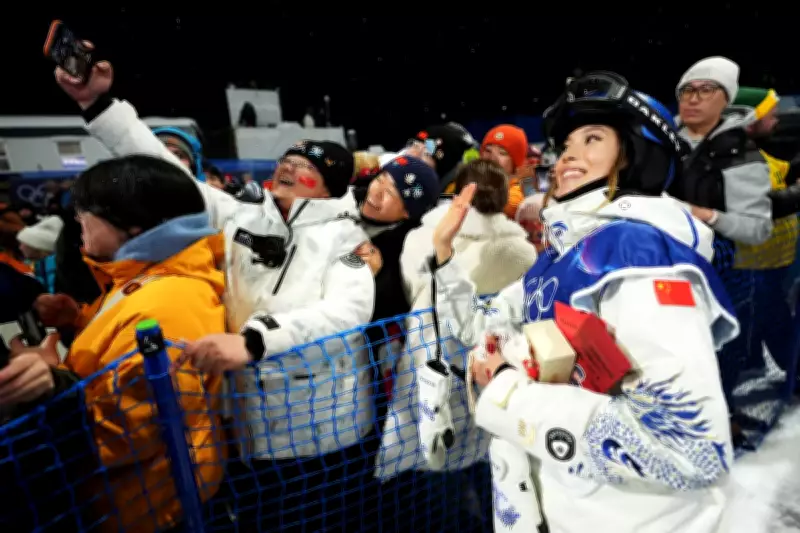
The two top contenders for the gold medal in women's halfpipe skiing at the Winter Olympics were both born in the United States, yet neither competes under the American flag. This situation has sparked significant attention, particularly for Eileen Gu, who represents China and faces ongoing political and public scrutiny.
Dual Nationality and Olympic Choices
Zoe Atkin, a Massachusetts native with dual citizenship since birth, competes for Britain with little controversy. In contrast, Eileen Gu, a 22-year-old from the Bay Area, competes for China and endures persistent criticism. Gu attributes this disparity to perceptions of China as a monolithic entity, suggesting that bias fuels the backlash against her decision.

After qualifying for her third medal at these Games, Gu responded to comments from U.S. Vice President J.D. Vance, who expressed hope that athletes benefiting from U.S. upbringing would choose to represent the country. Gu emphasised that many athletes compete for different nations, but her case is uniquely politicised due to her success and China's global image.
The Nature of Action Sports and National Allegiance
Freestyle skiing and snowboarding are lifestyle sports that prioritise individuality, often showcased at events like the X Games and Dew Tours, where national flags are less prominent. Athletes in these disciplines frequently travel globally, focusing more on camaraderie than national anthems.
Nick Goepper, an American three-time medalist, noted that the close-knit community of top skiers fosters international mingling, reducing the emphasis on country-based rivalries. The Olympic charter requires athletes to be nationals of their competing country, with a cooling-off period for switches, though neither Gu nor Atkin have changed teams during their careers.
Financial and Personal Motivations
Recent reports highlighted Chinese government funding for Gu and another athlete, totalling millions, but Gu avoids discussing finances. Instead, she cites a desire to increase visibility for skiing in China and inspire more girls to join the sport, which is less developed there compared to the U.S.
Gu stated that she faces no criticism from within the ski industry, attributing this to her friendships with peers. Meanwhile, Atkin explained that competing for Britain allows her to train at a suitable pace, benefiting from the smaller team structure and her family connections.
Broader Implications and Athlete Perspectives
Gus Kenworthy, a halfpipe skier who switched from the U.S. to Britain, experienced backlash but cited the depth of the American team as a factor. He highlighted how top-ranked U.S. skiers can miss Olympic spots due to intense competition, illustrating the complex dynamics of national representation in action sports.
Gu reiterated that people are entitled to their opinions, acknowledging the ongoing debate. As the Olympics conclude, the focus in action sports often shifts away from national allegiances, yet the political undertones persist for high-profile athletes like Gu.