Winter Paralympics Faces Escalating Boycott Over Russian Participation
The Winter Paralympics in Milano-Cortina is embroiled in significant controversy just weeks before its opening ceremony, as a growing number of nations protest the inclusion of Russian and Belarusian athletes under their national flags. This development marks a stark departure from previous sanctions and has sparked international outcry.
Lithuania Joins the Protest Movement
In a decisive move, Lithuania has officially joined Poland and Ukraine in announcing a boycott of the Winter Paralympics opening ceremony. Lithuanian Prime Minister Inga Ruginienė confirmed on Thursday that she will not attend the event next month, reversing her initial plans to support the nation's Paralympic team.
Speaking to radio broadcaster Žinių Radijas, Ruginienė emphasised the need for unity and resilience against provocations, stating, "I had planned the trip to support our Paralympic athletes and the committee, but this trip will not take place, and our athlete representing Lithuania will have to be honoured here in Lithuania." She further asserted that Europe must stand united in support of Ukraine's victory.

Russian and Belarusian Athletes' Return to National Flags
The controversy centres on the International Paralympic Committee's decision to allow Russian and Belarusian athletes to compete under their country's flags for the first time since Russia's invasion of Ukraine in 2022. Previously, these athletes were suspended in 2023 and had competed as neutral participants under the Olympic flag, separate from earlier doping-related bans.
IPC spokesman Craig Spence confirmed to Inside the Games that ten Russian and Belarusian athletes will participate in the Games in March. This move has been widely criticised as normalising relations with nations involved in the ongoing conflict.
Estonian Broadcaster Issues Shock Statement
Amid the political boycott, Estonian public broadcaster ERR delivered a significant blow by announcing it will not broadcast any events featuring Russian or Belarusian athletes competing under their national flags. The statement, issued by ERR's sport editor Rio Sarrna, reads: "Estonian public broadcaster unequivocally condemns the normalisation of relations with Russia and Belarus in the field of sports and denounces the decision to allow Russian and Belarusian athletes to participate in the Milan-Cortina Paralympic Games under their respective national flags."
This decision means Estonian viewers will be unable to watch alpine skiing, cross-country skiing, and snowboarding events involving these athletes, significantly impacting coverage of the Games.
International Reactions and UK Stance
The boycott has garnered attention across Europe, with the UK's Culture Secretary Lisa Nandy describing the IPC's decision as "terrible." In a post on X, she wrote: "This is completely the wrong decision. Allowing athletes from Russia and Belarus to compete under their own flags while the brutal invasion of Ukraine continues sends a terrible message. The International Paralympic Committee should reconsider this decision urgently."
However, Nandy did not confirm whether Team GB would join the boycott, leaving the UK's participation in the opening ceremony uncertain. The situation highlights the deep divisions within the international sporting community over how to handle nations involved in geopolitical conflicts.
Background and Implications
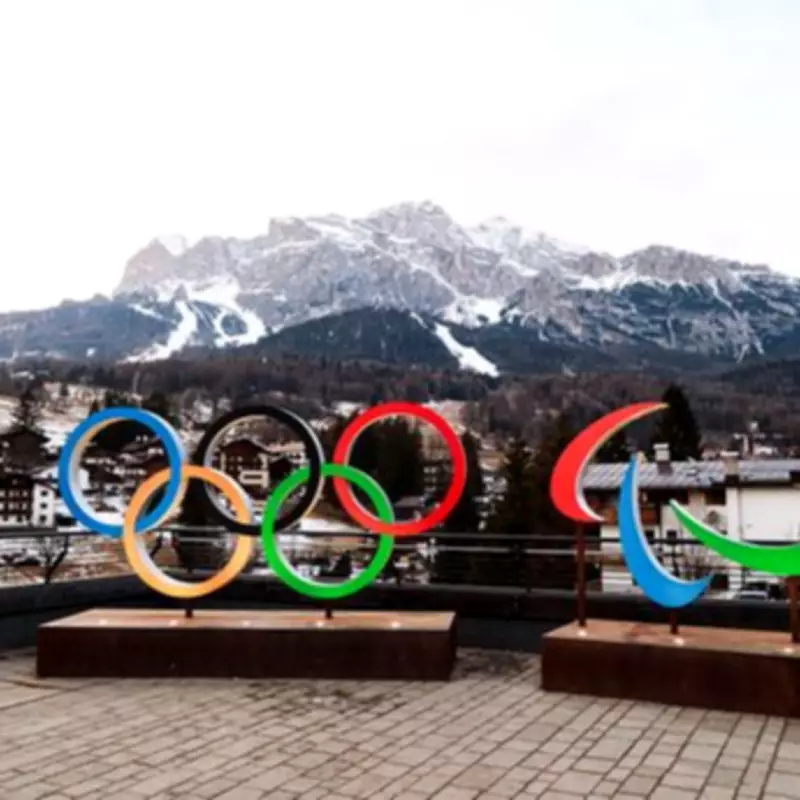
The Winter Paralympics, scheduled from March 2026 in Milano-Cortina, follows the Winter Olympics held from February 6-22. The event typically promotes inclusivity and athletic excellence, but this year's edition is overshadowed by political tensions. The return of Russian and Belarusian flags represents a significant shift from the neutral athlete policy implemented after the invasion of Ukraine.
As the protest grows, the IPC faces mounting pressure to reconsider its stance, with the boycott threatening to undermine the spirit of the Games and its global viewership. The involvement of broadcasters like ERR adds a practical dimension to the controversy, potentially reducing the event's reach and commercial appeal.