The Paris Paradox: Borthwick's Authority Under Scrutiny
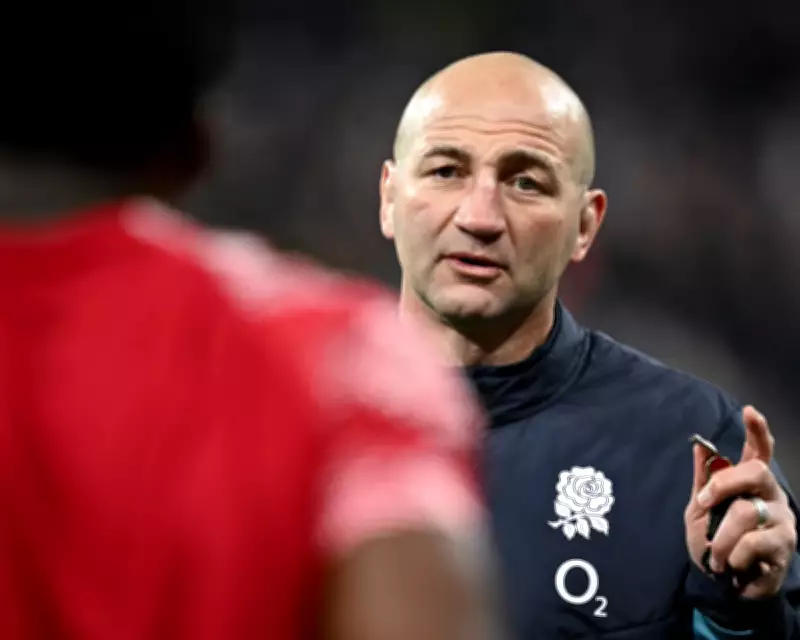
Steve Borthwick retains backing within the England rugby team, yet significant questions persist regarding his authority and leadership. The recent performance against France, marked by a dramatic upswing in quality, has ignited a crucial debate: Did England play with such verve because of their head coach, or in spite of him? This fundamental question now sits at the heart of the Rugby Football Union's impending review, led by chief executive Bill Sweeney.
The Core Question for the RFU Review Panel
For all the corporate speak of deep dives and forensic analysis, the RFU panel must cut to the chase. Did Borthwick genuinely liberate his players in Paris, or did the squad effectively take matters into their own hands? The review panel, expected to include input from Sweeney, Conor O'Shea, and external anonymous contributors, faces a complex task. Despite the spirited display in defeat against France, the RFU remains determined to establish precisely what went wrong during a Six Nations campaign that still stands as England's worst-ever championship performance.
The signals from Twickenham suggest officials will not be blinded by the razzle-dazzle of the Parisian performance. Borthwick still has a case to answer. A memo for Sweeney and his team: avoid drowning in data or getting bogged down in excessive detail. The review must address England's desperate discipline, scrutinise Richard Wigglesworth's role coaching a porous defence, and examine the absence of clear thinking in crucial moments. Crucially, it must not repeat the errors of 2021's bizarre conclusion that improvements in "lower body strength" were needed to resolve breakdown issues.

Player Power or Coaching Strategy?
If Borthwick instigated the Paris approach through strategic deception—suggesting a doubling down on the kicking gameplan while planning something entirely different—it raises serious questions about his judgment. Why did it take until the final round for England to perform in a manner that truly captivated their supporters? Different opponents require tactical adjustments, but England were fundamentally unrecognisable in both outlook and approach at the Stade de France.
Conversely, if the players themselves drove the change, it hints at deeper questions about Borthwick's authority. No evidence of mutiny has emerged from the camp, but there exists a significant distinction between outright revolt and players taking responsibility. The manner in which Maro Itoje has recently extolled the virtues of showing character suggests a growing realisation that rigid, formulaic rugby has severe limitations.
The Players' Perspective and Psychological Complexities
The review panel must rigorously ascertain the players' genuine thoughts. While public backing exists for Borthwick's "clarity" and cultivated environment, how do players truly react when asked to tighten up? Saturday night demonstrated the immense talent available when given freedom to express itself.
Jamie George's post-match comments revealed much: "It would have been so easy for us to splinter off, and I've been part of many teams that have, and there's been whispers in corridors and there's been doubts about gameplan and personnel. Honestly, there has been none of it. We've been clear. We've been confident in the people that we have."
Yet the next pressing question remains: Why do England so frequently require their backs against the wall to produce performances of such intensity? Ollie Chessum's prickly mood all week culminated in his best performance in an England shirt, his furious celebration after scoring a try demonstrating the passion and intensity that characterised England's play. But why must England feel slighted to discover the right emotional pitch?
Broader Implications and Historical Context
Is this an indictment of Borthwick and his coaches' inability to press the right psychological buttons? Is it evidence of overdue accountability being taken by the squad? Or does it reflect something deeper within English rugby's psyche? Playing with "character" becomes far easier when a common, higher cause exists—whether unbridled patriotism as seen with South Africa, or support for a coach as demonstrated by Scotland's response to Gregor Townsend.

For England, the lines between patriotism and nationalism remain blurred. Their performances against Scotland and Ireland did not resemble a squad fighting for their coach. Then came the Parisian riposte—a collective willingness to fight amid feelings of being chastised. As the old adage suggests, hell hath no fury like an English rugby player scorned.
George maintains confidence: "It's an excellent programme as a whole. The togetherness and how tight we have been over this period of time is the biggest indicator that the right people are in the room." Yet the RFU's key determination must be whether this current environment can consistently produce performances of Parisian quality, or whether fundamental changes are required to unlock England's true potential on a regular basis.