England's Six Nations Crisis: Borthwick's Dramatic Gamble in Rome
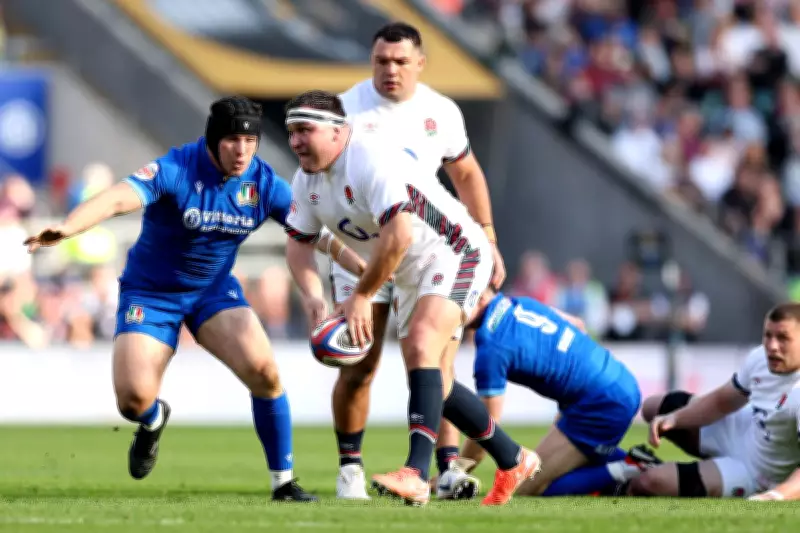
Reeling from back-to-back defeats against Scotland and Ireland, England's rugby team faces a critical juncture as they prepare to take on Italy in Rome. Head coach Steve Borthwick has responded to the crisis with an unprecedented 12 changes to his starting lineup, a dramatic overhaul designed to halt England's alarming Six Nations slide.
A Grand Tour Turned Crisis Mission
What might have been envisioned as a glamorous European tour for England's rugby nobility has transformed into a desperate salvage operation. The consecutive weekends in Rome and Paris were supposed to represent opportunities for development and growth, but after disappointing performances, this continental excursion now carries the weight of potential disaster.
"We owe a performance to everyone," declared recalled hooker Jamie George. "We owe it to ourselves, we owe it to the England fans, we owe it to Steve and every single member of staff."

Borthwick's Polarizing Approach
In recent weeks, Borthwick has criticized modern society's tendency toward "polarity" - the extreme reactions to each result. Ironically, his response to England's struggles has been equally dramatic. The wholesale changes represent what the coach himself might describe as a lurch to extremes, though he insists they come from necessity rather than panic.
"Ultimately, what we haven't seen enough of in the last couple of weeks is spirit, fight, hard work and graft," admitted George, highlighting the missing elements that have characterized England's better performances over the past year.
The Selection Gamble
Borthwick's changes, while extreme in totality, address specific concerns that emerged during England's recent defeats:
- The promotion of George, Alex Coles, and Guy Pepper aims to strengthen England's faltering lineout and breakdown performance
- Fin Smith replaces George Ford at fly-half, bringing fresh energy to the pivotal position
- A new midfield partnership of Seb Atkinson and Tommy Freeman offers attacking potential
- Elliot Daly provides experience to balance a relatively inexperienced backline
Despite these logical individual changes, the collective overhaul represents what many observers consider an almighty gamble from a coach developing a reputation as a "chips-in" selector.
The Italian Threat
Long gone are the days when England could rotate players casually against Italy. Under coach Gonzalo Quesada, the Azzurri have demonstrated genuine threat throughout this championship, with their improving performances suggesting they can smell English blood in the water.
"Rome is always a difficult place to play but with this Italian team looking the way they do, it's going to be the toughest test that England have ever had against Italy," warned George, while simultaneously embracing the challenge as an opportunity for redemption.
Technical Battles and Historical Lessons
The scrum battle promises to be particularly compelling, with England and Italy boasting the two best set-pieces in the competition. England win 28.6% of scrums on opposition ball and 100% on their own, while Italy's equivalent numbers stand at 19.1% and 94.4% respectively.
England's preparation has included consultations with high-performance experts, including double Olympic skeleton gold medallist Matt Weston and England football manager Thomas Tuchel. Most significantly, the current squad shared a curry night with members of the 2003 World Cup-winning team, drawing lessons from their non-linear journey to success.
"A lot of what we took from their experiences was that their journey wasn't linear," George reflected. "And no one's journey is. You look at all the previous World Cup winners, they are not always linear."
A Defining Moment
For several England players, this match represents more than just a Six Nations fixture. With the broader project building toward next year's World Cup, performances in Rome could determine future selections. For fringe figures like Cadan Murley and Ben Spencer, this represents a vital opportunity after a period of relatively settled selections.

As England prepare to face Italy in what could become a historic defeat or a season-saving victory, the pressure on Borthwick's experimental side has reached critical levels. The lessons from their recent struggles must be learned quickly if they are to restore hope in their Six Nations campaign and avoid what would be an unprecedented loss to Italy.