France Secures Consecutive Six Nations Crowns in Sensational Paris Showdown
In what can only be described as a rugby union spectacle of unprecedented drama, France claimed back-to-back Six Nations championships with a breathtaking 48-46 victory over England at the Stade de France. The match, played on Saturday 14 March 2026, delivered a staggering 94 points across eighty minutes of relentless, logic-defying action that left spectators and players alike in a state of bewilderment.
A Contest That Defied All Expectations
Just when the tournament appeared to have exhausted its capacity for surprise, France and England produced a contest that assaulted the senses and sensibilities. While the final outcome—France lifting the trophy—might have been anticipated, the manner of their triumph was anything but predictable. The hosts, who had scored 40 points in a losing effort just a week earlier, found themselves needing to surpass that total to retain their crown, ultimately relying on Thomas Ramos's nerveless penalty kick in the dying seconds to seal victory.
England, arriving in Paris amid a crisis of form, delivered their most courageous performance of the campaign, showcasing a level of ambition and accuracy that had been conspicuously absent throughout their history-making, single-win Six Nations season. This valiant display, however, proved insufficient against a French side determined to celebrate their 120-year rivalry in style.

Key Performers and Pivotal Moments
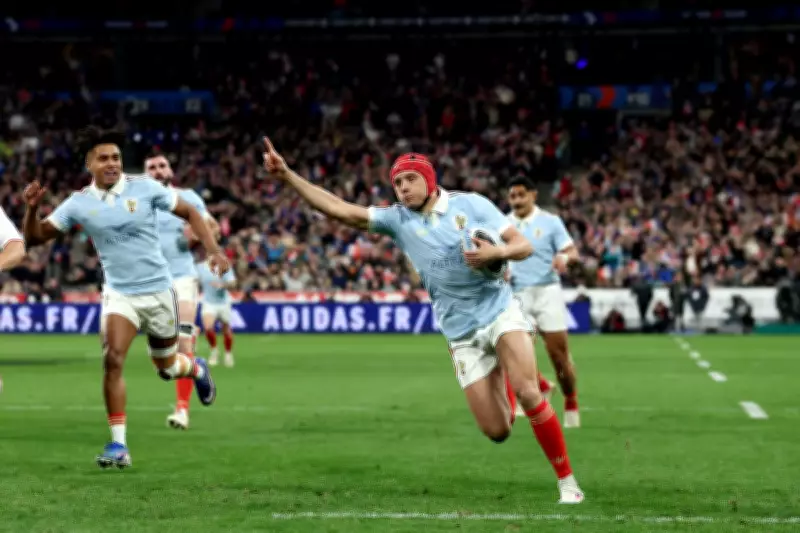
The match was defined by individual brilliance and collective resilience. Louis Bielle-Biarrey emerged as the standout performer, scoring four crucial tries to break his own championship record and cement his status as one of rugby's most electrifying young talents. At just twenty-two years old, his jet-heeled contributions were instrumental in France's triumph.
For England, the performance offered a glimpse of what might have been. Ben Spencer's precise kicking game created two early tries, while Ollie Chessum's powerful carries and intelligent link-up play demonstrated the forward's growing influence. Marcus Smith's late introduction injected immediate energy, with the fly-half scoring and converting to briefly restore England's lead in the second half.
Discipline and Drama in Equal Measure
The match's narrative was shaped by moments of both brilliance and indiscipline. England's ill-discipline, a persistent issue throughout their campaign, resurfaced when Ellis Genge received his ninth yellow card of the tournament for hauling down a maul near the try line. The subsequent penalty try allowed France to claw back into contention, setting the stage for the frantic finale.
The atmosphere inside the Stade de France was heightened by a pre-match ceremony featuring horses, historical reenactments, and a children's choir, creating a surreal yet spectacular backdrop for the sporting drama that followed. France's specially designed pale blue commemorative jersey, woven with historical details from 1927 and 1980s accents, added to the occasion's significance.
Historical Context and Future Implications
This victory not only secured France's second consecutive Six Nations title but also broke the deadlock in their head-to-head record with England in the Six Nations era, moving them ahead 88-87. For England, the match served as both a frustration and a vindication—a demonstration of their potential under head coach Steve Borthwick, yet ultimately another entry in a season of unprecedented disappointments, including historic defeats to Italy and Ireland.
As the French celebrations begin, England's inquest into their campaign is already underway. The performance in Paris, however, suggests that foundations for future success may have been laid amidst the chaos of a record-breaking, sense-assaulting rugby spectacle that will be remembered for generations.