Researchers have announced a significant breakthrough in the early detection of Alzheimer's disease, with artificial intelligence now capable of predicting the degenerative neurological disorder with close to 93 percent accuracy. This development could provide crucial time for patients and doctors to prepare and potentially slow disease progression.
Groundbreaking Research on Brain Scans
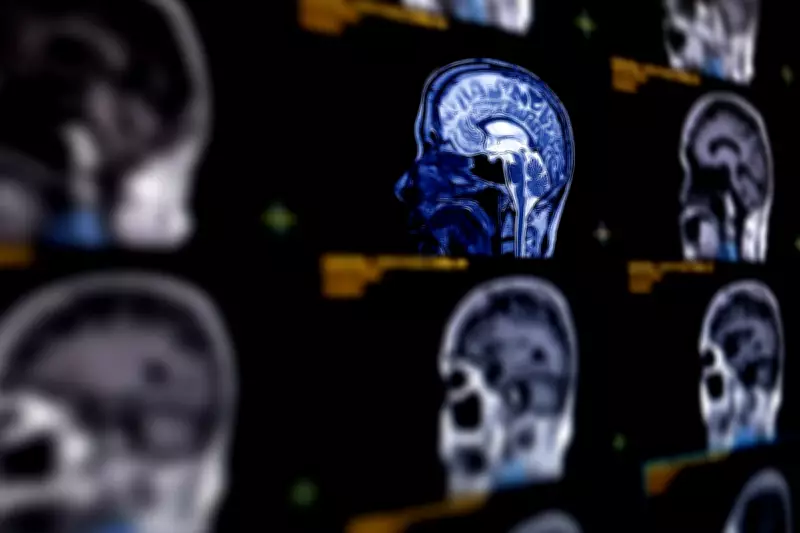
The Worcester Polytechnic Institute in Massachusetts revealed on Thursday that their AI system analyzed more than 800 brain scans to identify anatomical changes signaling the onset of Alzheimer's disease. This research builds upon years of previous studies demonstrating AI's potential in spotting early risk factors, predicting risk levels, and identifying patients with undiagnosed Alzheimer's.
Machine Learning Technology at Work
"Early diagnosis of Alzheimer's disease can be difficult because symptoms can be mistaken for normal aging," explained Benjamin Nephew, an assistant research professor at the institute. "We found that machine-learning technologies, however, can analyze large amounts of data from scans to identify subtle changes and accurately predict Alzheimer's disease and related cognitive states."

The research utilized MRI scans collected from 344 individuals aged 69 to 84, including 281 scans showing normal mental function, 332 with mild cognitive impairment, and 202 with confirmed Alzheimer's disease. The analysis examined 95 of the brain's nearly 200 distinct regions using sophisticated AI algorithms to predict patients' health status.
Key Predictive Factors Identified
The analysis revealed that one of the most significant predictive factors for Alzheimer's disease was brain volume loss occurring in critical regions. This shrinkage happens as brain cells stop functioning in the memory-forming hippocampus, the fear-processing amygdala, and the entorhinal cortex, which provides our sense of time.
This pattern held true across age and sex, with both men and women aged 69 to 76 showing volume loss in the right part of the hippocampus, suggesting this area is particularly important for early diagnosis.
Gender Differences in Brain Changes
The research uncovered notable differences in how brain regions shrink between sexes. In females, brain volume loss primarily occurred in the left middle temporal cortex, which is involved in language and visual perception. For men, the most significant shrinkage was observed in the right entorhinal cortex.
Researchers believe these differences could be attributed to changes in sex hormones, including the loss of estrogen in women and testosterone in men as they age.
Implications for Diagnosis and Treatment
These findings could significantly improve methods of diagnosis and treatment moving forward. With more than 7.2 million Americans currently living with Alzheimer's according to the Alzheimer's Association, earlier detection could have profound implications for patient care and disease management.
"The critical challenge in this research is to build a generalizable machine-learning model that captures the difference between healthy brains and brains from people with mild cognitive impairment or Alzheimer's disease," Nephew emphasized.
Additional research continues to explore other impacting factors and refine the AI models. The ability to use artificial intelligence for earlier Alzheimer's diagnosis represents a promising advancement in the fight against this devastating neurological condition that affects millions worldwide.