Arizona Women Sue AI Startup Over Deepfake Porn Made From Their Social Media Images
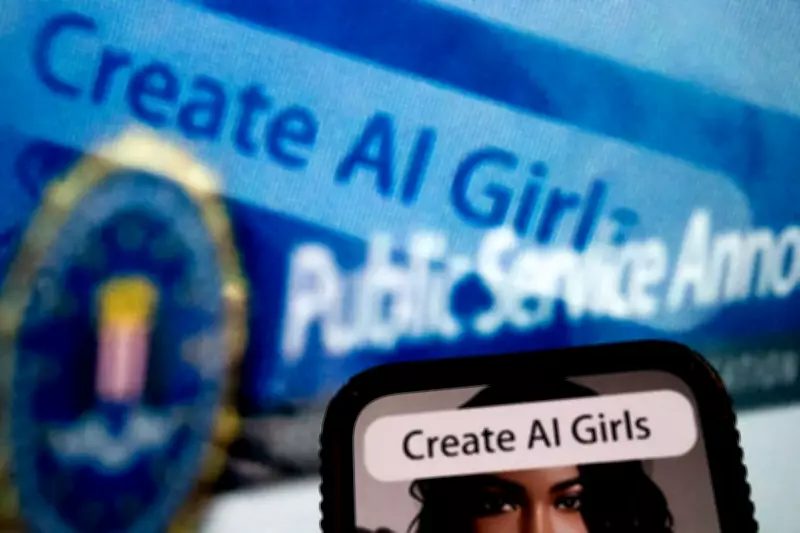
Three young women from Arizona have initiated legal proceedings against a network of artificial intelligence entrepreneurs, accusing them of unlawfully using their personal photographs to generate deepfake pornography. The lawsuit, filed in Maricopa County last month, targets Instagram influencer Beau Schultz and two other men, along with four associated companies, for allegedly "monetizing" the likenesses of strangers to create sexualized AI chatbots.
Allegations of Exploitation and Monetization
The plaintiffs, identified only as "M.G.", "H.R.", and "H.B." to protect their privacy, claim the defendants used 8-10 of their Instagram photos to train AI models. These models were then deployed on subscription-based pornographic websites, where they engaged in erotic conversations with paying customers. According to the complaint, the men not only profited from these chatbots but also bragged about their earnings on social media and offered to teach others their methods.
One plaintiff, who relocated to Arizona from Kansas City, expressed her distress to Fox 4 Kansas City, stating she had posted "innocent, normal pictures" of herself engaging in daily activities. She described feeling "scared and defeated", with the situation causing significant anxiety, frustration, and heartbreak. Another plaintiff told AZ Family that the deepfakes have altered how she is perceived by employers, acquaintances, and strangers, saying, "My bosses, future employers, people that I don’t know, and people that I do know are looking at me in a different light that I don’t want to be looked in."

Marketing of AI "Blueprint" for Profit
The lawsuit details how Schultz and his associates marketed a step-by-step playbook for generating income from AI. On his Instagram page, which features AI-generated content of scantily-clad women alongside images of luxury cars and private jets, Schultz promotes himself as "turning AI into income." One post outlines a "blueprint" for his 46,000 followers to quit their jobs by convincing 400 people to pay $10 monthly.
An associated Telegram channel offers paid tools, a two-week "boot camp," and a build-to-order service. Instructions include:
- Build a unique AI persona using a generator platform.
- Train the model with 8-10 high-quality reference photos.
- Generate hyper-realistic lifestyle and social content.
- Post daily on Instagram and TikTok to drive organic traffic.
- Funnel users to an exclusive page with tiered pricing.
- Use AI automation to manage direct messages and scheduling.
Schultz encourages engagement by asking followers to comment "AI" for a step-by-step breakdown. The women's attorney, Nick Brand, expressed shock at the prevalence of such deepfakes, telling Fox 4 Kansas City, "Step one of the process is find a girl you like on Instagram. Take 8-10 of her pictures, feed it into their AI platform that they also own."
Legal and Regulatory Context
This case emerges amid growing concerns over nonconsensual deepfake pornography. Notably, a press conference on January 22, 2026, featured figures like Alexandria Ocasio-Cortez and Paris Hilton advocating for the federal Defiance Act, which aims to provide legal recourse for victims. Additionally, regulatory bodies are scrutinizing related issues, such as Ofcom's formal investigation into X over "deeply concerning" deepfake controversies.
As of now, court records do not indicate a response from the defendants. Schultz has not commented on the allegations, and attempts to contact others named in the lawsuit have been unsuccessful. The outcome of this lawsuit could set a significant precedent in the battle against AI-driven exploitation and privacy violations.