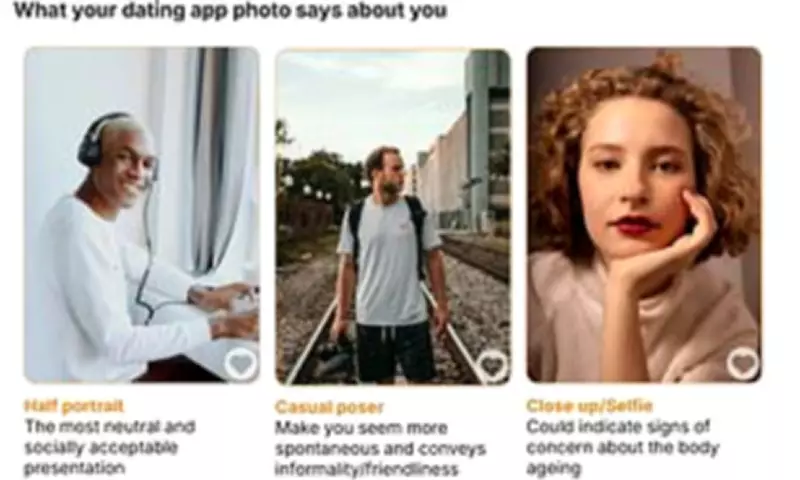
Are you finding it challenging to connect with potential partners through online dating platforms? A groundbreaking scientific study has pinpointed exactly where many singles might be going astray with their profile pictures. Researchers have uncovered nine distinct categories of profile photographs that individuals typically use on dating apps, each communicating specific messages to fellow users.
Understanding the Nine Visual Strategies
The investigation, conducted by a team from The Open University of Catalonia in Spain, analysed one thousand authentic Tinder profiles based in Barcelona. Their findings, published in The Journal of Sexual Medicine, reveal that most users adopt one of nine visual strategies rather than presenting a unique image. According to the researchers, these strategies often reflect who we believe we should be to attract others, rather than our true selves.
The Impact of Photo Choices on Authenticity
Lead psychologist Dr Alejandro García Alamán, who initiated the study after observing dating app burnout among his patients, emphasised the importance of authenticity. "Your profile should first and foremost appeal to you and reflect who you are," he stated. "If you want to add a touch of authenticity, you can include something slightly different that feels genuinely yours." He warned that selecting photos based on social desirability can strip away individuality and lead to stereotyping.

Detailed Breakdown of Profile Photo Types
The study categorised the nine photo types as follows:
- Half portrait: The most neutral and socially acceptable presentation, accounting for a quarter of profiles analysed.
- Casual poser: Makes individuals appear spontaneous and conveys informality or friendliness.
- Close up or Selfie: Could indicate concerns about body ageing or an attempt to conceal overall appearance.
- Full portrait: Especially common among straight women, showing more of the body.
- Sunglasses: Functions as a form of protection and partial concealment.
- Nature lover: Conveys activity, health, and a connection with the natural world.
- Nothing to hide: Often features skimpy outfits or topless shots, potentially signalling a desire for casual hookups.
- Screensaver: Typically used by older users, minimising body exposure with images like quotes or landscapes.
- A bit of myself: Could be an attempt to hide one's full appearance through partial shots.
Demographic Insights and Nudity Trends
The research noted that profiles with high levels of nudity made up only ten percent of the sample, contradicting Tinder's reputation as a hookup platform. Younger cohorts, particularly women, tended to include more revealing photos, with nudity generally decreasing with age. However, an exception was found among individuals aged 30 to 39, who displayed the highest amount of nudity in their primary pictures. The researchers suggested this might relate to self-image perceptions during the transition from youth to middle age.
Influence of Sexual Orientation on Photo Selection
Sexual orientation significantly influenced photo choices. Among straight profiles, women smiled more and showed less clothing, while men favoured action or nature-oriented shots with less body exposure. Lesbian women displayed less of their bodies and smiled less than heterosexuals, whereas gay men looked at the camera and smiled more frequently than their heterosexual counterparts.
Success Factors Beyond Physical Attractiveness
While the study did not directly assess which photos lead to more matches, Dr García Alamán speculated that implicit messages play a crucial role. "We suspect that some types of images may be more successful than others. Beyond physical attractiveness, an important factor may be the implicit message a photo conveys. For example, images can signal humour, social or professional success, health, or an active lifestyle," he explained.
Practical Tips for Avoiding Catfishing
Given the prevalence of fraudulent profiles on dating platforms, the study also highlighted methods to verify authenticity and avoid catfishing:

- Google reverse image search: Use images.google.com to check if profile photos appear elsewhere online under different identities.
- Use the Veracity app: Cross-reference images from dating apps against databases to identify matches.
- Check Facebook profiles: Most dating app users have linked social media accounts that can provide additional verification.
- Conduct a general Google search: Look for online presence or relatives to confirm identity.
- Request video chats: Use Skype, Facetime, or similar platforms to see the person in real-time.
- Be wary of financial requests: Anyone asking for money online is likely engaging in fraud.
This comprehensive analysis offers valuable insights for anyone navigating the complex world of online dating, emphasising the balance between strategic presentation and genuine self-expression.