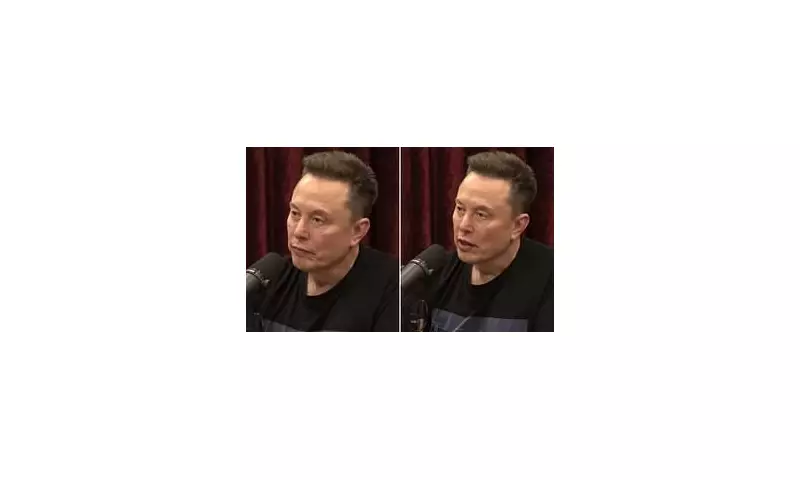
In a stunning revelation that's sending shockwaves through the tech and entertainment worlds, Elon Musk has unveiled an artificial intelligence-generated version of himself that showcases a dramatically different appearance - one achieved without surgical intervention or pharmaceutical aids.
The Digital Metamorphosis
The SpaceX and Tesla visionary shared what he described as his "natural state" through advanced neural network technology. This AI-crafted image presents a version of Musk without his characteristic hair transplant results and independent of weight management medications that have been subject to widespread speculation.
Beyond Cosmetic Procedures
The generated portrait reveals a striking transformation:

- Natural hairline without surgical enhancement
- Physique achieved without weight loss pharmaceuticals
- Facial features reflecting what AI calculates as his organic appearance
"This represents what might have been without external interventions," Musk commented regarding the digital representation that's captivating social media platforms.
Tech Meets Personal Image
The billionaire's foray into AI-generated personal imagery highlights the growing intersection between advanced technology and personal identity. This revelation comes amid increasing public curiosity about celebrity transformations and the methods behind them.
The Science Behind the Image
Using sophisticated machine learning algorithms, the neural network analysed Musk's fundamental facial structure and projected how he might appear without documented cosmetic procedures and pharmaceutical regimens that have been widely discussed in media circles.
The result is a fascinating glimpse into alternative realities, where technology enables us to visualise different life choices and their physical manifestations.
Broader Implications
This personal experiment with AI technology underscores Musk's ongoing commitment to pushing technological boundaries, even when applied to his own image. The development signals new possibilities for how artificial intelligence might be used to explore personal identity and physical transformation in the digital age.
As AI continues to evolve, such applications raise intriguing questions about authenticity, self-perception, and the increasingly blurred lines between natural appearance and technological enhancement.