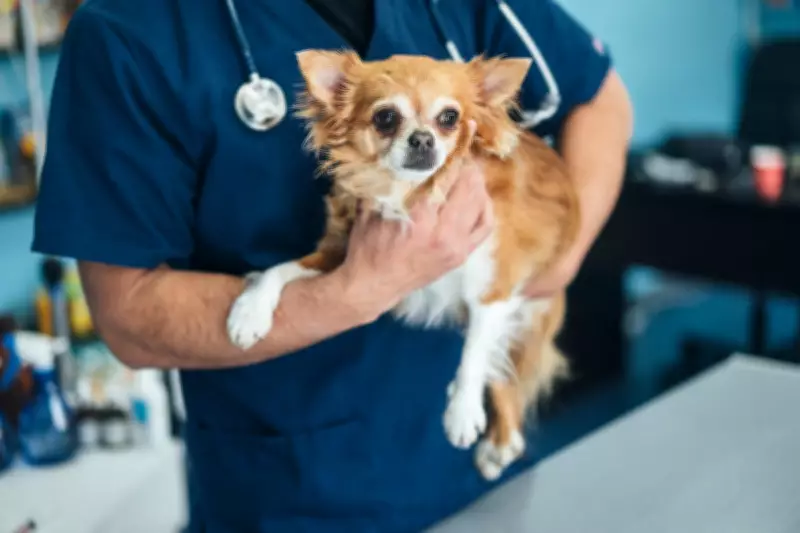
In a remarkable story blending technology and veterinary medicine, an Australian tech entrepreneur has harnessed the power of artificial intelligence to create a personalised cancer vaccine for his dying dog. The innovative approach, which utilised ChatGPT and advanced data analysis, has yielded promising results, offering a glimmer of hope in the fight against canine cancer.
The Desperate Situation: A Terminal Diagnosis
Rosie, an eight-year-old Staffordshire bull terrier cross, was diagnosed with an aggressive form of mast cell cancer. Veterinarians delivered the devastating news that she likely had only a few months left to live. Faced with this grim prognosis, her owner, tech entrepreneur Paul Conyngham, refused to accept defeat and turned to cutting-edge technology for a potential solution.
Leveraging AI for a Medical Breakthrough
Conyngham employed ChatGPT and sophisticated data analysis tools to scrutinise Rosie's tumour DNA. The AI systems helped identify specific mutations unique to her cancer, which were critical for designing a targeted therapeutic approach. This process involved analysing genetic data to pinpoint vulnerabilities that could be addressed with a bespoke treatment.

The development of the physical vaccine was a collaborative effort. Researchers at the University of New South Wales took the AI-generated insights and developed a custom mRNA vaccine based on the identified mutations. This vaccine was specifically tailored to stimulate Rosie's immune system to attack the cancer cells.
Administration and Results: A Promising Outcome
The personalised mRNA vaccine was administered to Rosie at a dedicated veterinary research centre. Following the treatment, reports indicate a significant improvement in her condition. Her tumours notably shrank, her overall health improved, and her energy levels increased, suggesting a positive response to the vaccine.
However, experts caution that this is a single case and not part of a controlled clinical study. While the results are encouraging, they highlight the need for further research and validation to determine the efficacy and safety of such AI-assisted treatments in broader veterinary and potentially human medical contexts.
Implications for Future Medicine
This case underscores the potential of AI in advancing personalised medicine. By enabling rapid analysis of genetic data and facilitating the design of targeted therapies, AI could revolutionise treatment approaches for various diseases. The success with Rosie may pave the way for more research into AI-driven vaccine development, benefiting both animal and human health.
In summary, the story of Rosie and her owner demonstrates how technology and determination can converge to create innovative medical solutions. As AI continues to evolve, its role in healthcare promises to expand, offering new avenues for treatment and hope for patients facing dire diagnoses.