Microsoft Backs Anthropic in Court Challenge Against Pentagon's AI Risk Designation
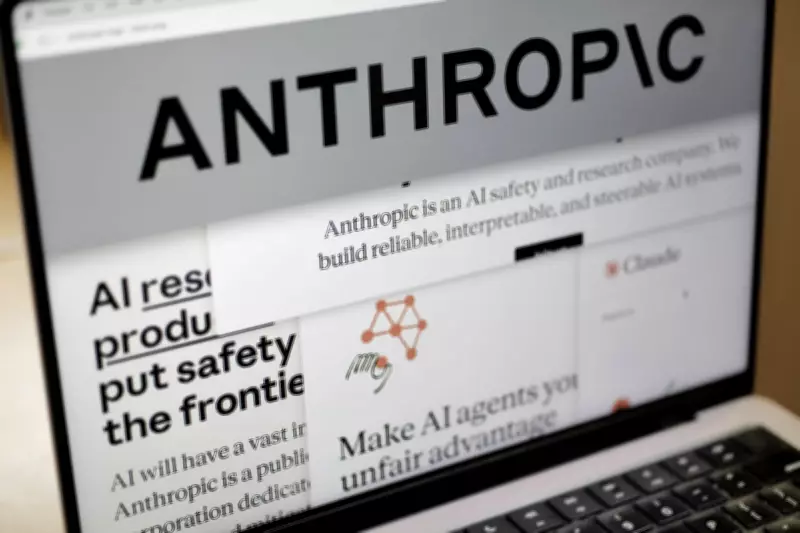
Microsoft is providing significant legal support to artificial intelligence firm Anthropic, urging a federal court to block the Trump administration's recent designation of the company as a supply chain risk. The technology giant filed a legal brief in San Francisco federal court on Tuesday, challenging Defense Secretary Pete Hegseth's action from last week that effectively shut Anthropic out of military work by labeling its AI products as a national security threat.
The Pentagon's Controversial Action Against Anthropic
The Pentagon's decision came following an unusually public dispute regarding Anthropic's refusal to permit unrestricted military use of its AI model Claude. President Donald Trump subsequently announced he was ordering all federal agencies to cease using Claude entirely. This move represents a significant escalation in the ongoing tension between government agencies and technology companies developing advanced artificial intelligence systems.
In its legal filing, Microsoft expressed serious concerns about the precedent being set by the Pentagon's actions. "The use of a supply chain risk designation to address a contract dispute may bring severe economic effects that are not in the public interest," stated Microsoft, which itself serves as a major government contractor. The company further argued that the Pentagon's approach "forces government contractors to comply with vague and ill-defined directions that have never before been publicly wielded against a U.S. company."

Microsoft's Legal Arguments and Ethical Alignment
Microsoft's legal brief specifically requests that a judge order a temporary lifting of the designation to allow for more "reasoned discussion" between the parties involved. The technology company has aligned itself with Anthropic's ethical positions that became sticking points during contract negotiations with the Pentagon.
"Microsoft also believes that American AI should not be used to conduct domestic mass surveillance or start a war without human control," the company stated in its filing. "This position is consistent with the law and broadly supported by American society, as the government acknowledges." This ethical alignment represents a significant development in the ongoing debate about appropriate boundaries for artificial intelligence applications in military and security contexts.
Broader Implications for AI Regulation and Government Contracts
The legal challenge comes at a critical juncture for AI regulation and government contracting practices. Anthropic had previously sued the Trump administration on Monday, setting the stage for Microsoft's intervention the following day. The Pentagon has declined to comment on the matter, citing its policy of not remarking on ongoing litigation.
This case highlights the growing tension between technological innovation, national security concerns, and ethical considerations in artificial intelligence development. The outcome could establish important precedents regarding how government agencies interact with private technology companies, particularly those developing cutting-edge AI systems with potential military applications.
Microsoft's decision to publicly support Anthropic in this legal battle underscores the technology industry's increasing willingness to challenge government actions that it perceives as overreaching or potentially damaging to innovation and economic interests. The case continues to develop in the San Francisco federal court system.