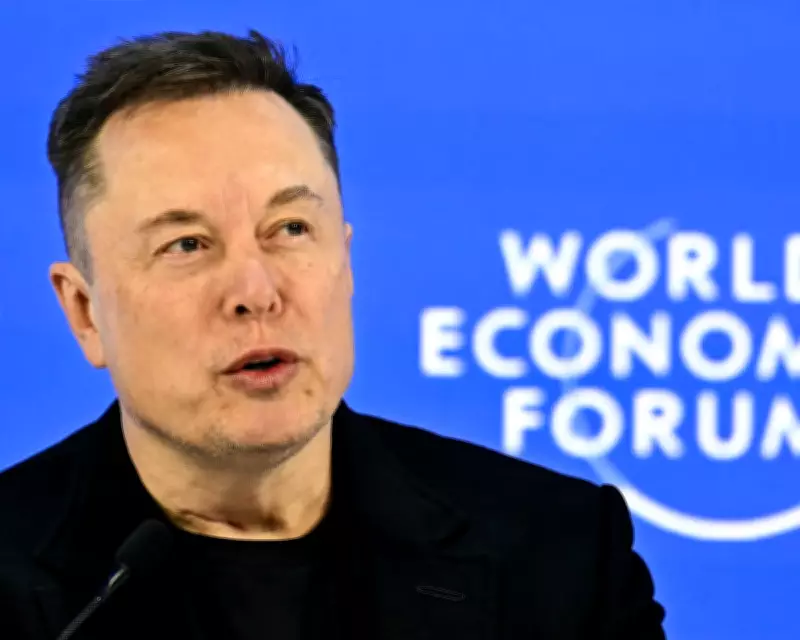
Elon Musk, the world's richest person and CEO of Tesla, delivered a speech at the World Economic Forum in Davos on 22 January 2026. However, his social media activity throughout that month has drawn intense scrutiny from extremism experts, who argue his posts are increasingly indistinguishable from white supremacist material.
Daily Race-Focused Posts in January
According to a detailed analysis by the Guardian, Musk posted content related to racial threats, race science, or anti-immigrant conspiracy theories on 26 out of the 31 days in January. These posts were made on his platform, X, and reflect what experts describe as a renewed embrace of white supremacist ideologies.
On 22 January, shortly before taking the stage in Davos, Musk reposted a video from an Irish anti-immigrant influencer, commenting, "Whites are a rapidly dying minority." This statement is part of a broader pattern where Musk has repeatedly claimed that white people face systemic discrimination, endorsed the conspiracy of an ongoing genocide against white people globally, and promoted fears that white people would be "slaughtered" if they become a demographic minority.

Expert Analysis of Musk's Content
Heidi Beirich, co-founder of the Global Project Against Extremism, reviewed a selection of Musk's posts and stated, "If you stripped Elon Musk's name off of these things and showed them to me, I would think that this was a white supremacist." She added that Musk appears "deep into the world of white nationalism," noting his consistent and explicit engagement with such content.
William Braniff, former director of the Department of Homeland Security's office for prevention of terrorism and extremism, highlighted that Musk's posts repeatedly echo prominent white supremacist narratives. Braniff pointed to "textbook examples" of conspiracy theories like "the great replacement," which posits that liberal elites or Jewish people are conspiring to replace white populations through immigration.
Braniff, now executive director of the Polarization and Extremism Research and Innovation Lab at American University, warned of the dangers of mainstreaming these ideas. "The great replacement has been an especially important mobilizing narrative for highly lethal white supremacist attacks in the United States and elsewhere," he said.
Musk's Denials and Interactions
Musk has repeatedly denied being racist or antisemitic, condemned terrorism, and stated he does not advocate for violence. In a 2024 interview with Don Lemon, he asserted he does not subscribe to "great replacement theory." Additionally, he told Joe Rogan in March last year that he is not a Nazi, following condemnations from Jewish groups over his speech to Germany's far-right AfD party.
Despite these denials, Musk's social media activity in January involved frequent interactions with far-right accounts. On 10 January, he replied "yes" to a white nationalist account claiming "race communism" is being brought to America. On 7 January, he agreed with a post stating "they just want to eradicate White people," and on 9 January, he endorsed a claim that white people would be "slaughtered" as a minority.
Platforming Far-Right Activists
Musk's interactions extended to prominent far-right figures. On 17 January, he reposted a screed against "ethno-cultural upheaval" from Martin Sellner, founder of the ethno-nationalist Identitarian Movement, replying, "this is simply a statement of fact." Sellner, described by Beirich as "probably the most significant global white supremacist right now," has promoted concepts like remigration, which involves ethnically cleansing non-whites from Western countries.
Sellner's activities include a 2024 presentation in Germany on mass deportations, attended by neo-Nazis, and a donation from Brenton Tarrant, who later committed the 2019 Christchurch mosque attacks. Sellner rejected being called a white supremacist in a statement to the Guardian, claiming he respects "the dignity of all others" and takes credit for mainstreaming replacement migration concepts.

Broader Implications and Violence Links
Extremism experts note that the ideas Musk has publicized are tied to violent attacks, such as the 2018 Tree of Life synagogue shooting and the 2022 Buffalo supermarket massacre, where the shooter's manifesto referenced replacement theory. Musk's posts also align with a growing embrace of white supremacist talking points among some Republicans and government agencies.
On X, Musk has reinstated banned accounts like antisemite Nick Fuentes, and federal agencies have posted content matching white supremacist propaganda. Earlier this month, Donald Trump faced backlash for a racist video on Truth Social, highlighting a broader trend.
Musk often mocks critics, framing his views as common sense or factual. Braniff explained this as a far-right tactic to defend a worldview of white in-groups, attacking dissenters as "race traitors" or "woke."
As February began, Musk continued posting about race and immigration, recently calling Irish men "pathetic traitors" for fearing accusations of racism. This ongoing activity underscores concerns about the mainstreaming of extremist ideologies through his vast audience of over 200 million followers.