OpenAI Secures Pentagon AI Contract Amid Ethical Standoff with Rival Anthropic
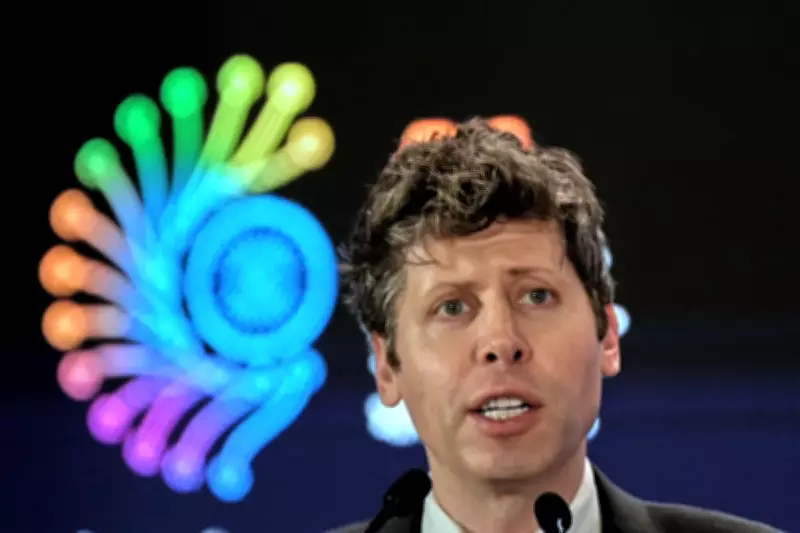
In a significant development, OpenAI has announced a deal with the Pentagon to supply artificial intelligence technology for classified US military networks. The agreement was revealed by CEO Sam Altman on Friday, just hours after former President Donald Trump ordered federal agencies to immediately halt all use of services from Anthropic, a key competitor in the AI sector.
Ethical Assurances at the Core of the Agreement
Sam Altman emphasized that the Pentagon contract includes strict prohibitions against using OpenAI's AI systems for domestic mass surveillance or autonomous weapon systems capable of killing without human input. In a post on X, Altman stated, "Two of our most important safety principles are prohibitions on domestic mass surveillance and human responsibility for the use of force, including for autonomous weapon systems." He added that the Pentagon aligns with these principles in law and policy, and they have been formally incorporated into the agreement.
Altman further expressed hope that the Pentagon would extend similar terms to other AI companies, aiming to de-escalate tensions and move towards reasonable agreements rather than legal confrontations. This move appears to position OpenAI as successfully obtaining ethical assurances where Anthropic faced challenges.

Trump's Intervention and Anthropic's Ethical Stand
The backdrop to this deal involves a breakdown in negotiations between Anthropic and the Trump administration. Anthropic, which operates the Claude AI system, had sought guarantees that its technology would not be employed for mass surveillance or autonomous lethal weapons. When these assurances were not met, the company refused to comply, leading Trump to publicly criticize Anthropic on his Truth Social platform, calling them "Leftwing nut jobs" and accusing them of trying to strong-arm the Pentagon.
In response, Anthropic released a statement affirming its stance, saying, "No amount of intimidation or punishment from the Pentagon will change our position on mass domestic surveillance or fully autonomous weapons." The company highlighted that it had attempted to reach a good-faith agreement, supporting lawful AI uses for national security while maintaining its ethical red lines.
Industry Reactions and Internal Concerns
The deal has sparked reactions across the AI industry, with nearly 500 employees from OpenAI and Google signing an open letter in support of Anthropic, warning against division tactics by the Pentagon. The letter reads, "The Pentagon is negotiating with Google and OpenAI to try to get them to agree to what Anthropic has refused. They're trying to divide each company with fear that the other will give in."
Internally, Altman addressed OpenAI staff in a memo obtained by Axios, reassuring them of the company's commitment to ethical principles. He wrote, "We have long believed that AI should not be used for mass surveillance or autonomous lethal weapons, and that humans should remain in the loop for high-stakes automated decisions. These are our main red lines." Altman clarified that the contract would exclude unlawful uses or those unsuited to cloud deployments, such as domestic surveillance and autonomous offensive weapons.
Broader Implications and Financial Context
This agreement comes as OpenAI is reportedly raising $110 billion in a funding round that could value the company at $840 billion, underscoring its growing influence in the tech sector. The Pentagon's push for AI capabilities, driven by national security needs, has created a complex landscape where ethical considerations clash with military demands.
Anthropic, known for its safety-focused approach, had been engaged in months of disputes with the Pentagon, which sought unrestricted access to Claude's capabilities. Despite the pressure, Anthropic maintained its ethical guidelines, stating that its exceptions have not hindered any government missions to date.
As the AI industry navigates these challenges, the OpenAI-Pentagon deal highlights the ongoing tension between technological advancement and ethical safeguards, setting a precedent for future government collaborations in the field.