Peers Issue Stark Warning on AI Threat to UK Creative Sector
A House of Lords committee has delivered a forceful warning that the UK's creative industries must not be sacrificed in the pursuit of speculative gains from artificial intelligence technology. This comes as the government prepares to reveal the economic cost of proposed changes to copyright rules, with a deadline set for 18 March.
Urgent Call for Licensing Regime and Copyright Protection
In a report titled "AI, copyright and the creative industries," peers have urged ministers to develop a robust licensing regime for the use of creative works in AI products. They strongly recommend abandoning proposals that would allow tech firms to use the work of novelists, artists, writers, and journalists without obtaining permission from the creators.
Barbara Keeley, a Labour peer and chair of the communications and digital committee, emphasized the immediate danger facing the creative sector. "AI may contribute to our future economic growth, but the UK creative industries create jobs and economic value now," she stated. Official figures highlight that the creative sector contributes approximately £146 billion annually to the UK economy, underscoring its vital role.

Lady Keeley added, "Watering down the protections in our existing copyright regime to lure the biggest US tech companies is a race to the bottom that does not serve UK interests. We should not sacrifice our creative industries for AI jam tomorrow."
Government Proposals and Creative Outrage
The government has been consulting on a new intellectual property framework for AI, which requires vast amounts of data, including copyright-protected material sourced from the open web, to develop tools like chatbots and image generators. However, the main proposal—allowing AI firms to use such works without owner permission unless an opt-out is signaled—has sparked significant outrage among British artists.
Prominent figures, including Elton John, have protested this potential relaxation in copyright law, with John labeling the government "absolute losers" over the issue. The House of Lords report echoes this sentiment, urging the government to formally rule out this proposal and instead support measures that ensure fair compensation for creators.
Key Recommendations and Alternative Options
The committee's recommendations include:
- Supporting the development of a licensing market to ensure artists are paid by tech companies for the use of their work.
- Backing UK-developed AI models to foster domestic innovation.
- Requiring AI companies to disclose the data used in developing their products for greater transparency.
- Providing creators with enhanced rights-based protection against deepfakes and other AI-generated content.
In addition to the main proposal, ministers have suggested three alternative options: maintaining the current copyright situation unchanged, mandating that AI companies seek licences for using copyrighted work, or allowing unrestricted use with no opt-out for creative entities. The government has also refused to rule out a copyright waiver for "commercial research," a move that creative professionals fear could be exploited by AI firms to bypass permissions.
Government Response and Ongoing Engagement
Fiona Twycross, a minister at the Department for Culture, Media and Sport, noted that it would be "pre-emptive" to dismiss any exceptions before the update report is published. A government spokesperson affirmed, "The government wants a copyright regime that values and protects human creativity, can be trusted, and unlocks innovation. We welcome the committee's contributions, and we will continue to engage closely with parliament going forwards."
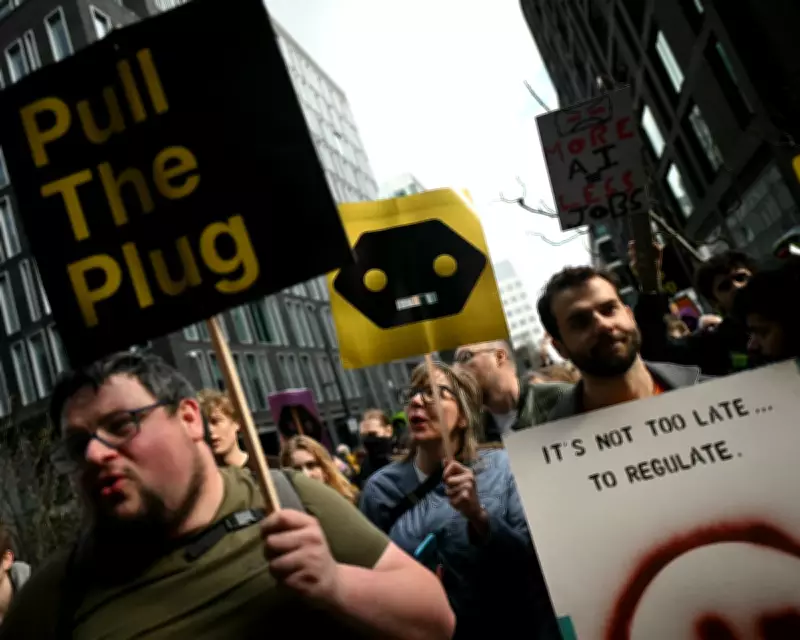
As protests, such as those organised by PauseAI UK in London, highlight public concern over AI development, the debate intensifies. The upcoming economic impact assessment will be crucial in shaping the future of copyright law and its implications for both the creative industries and technological advancement in the UK.