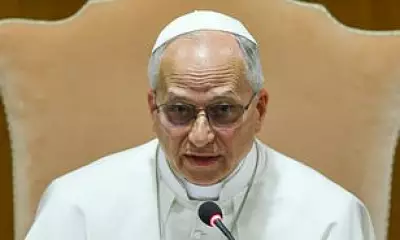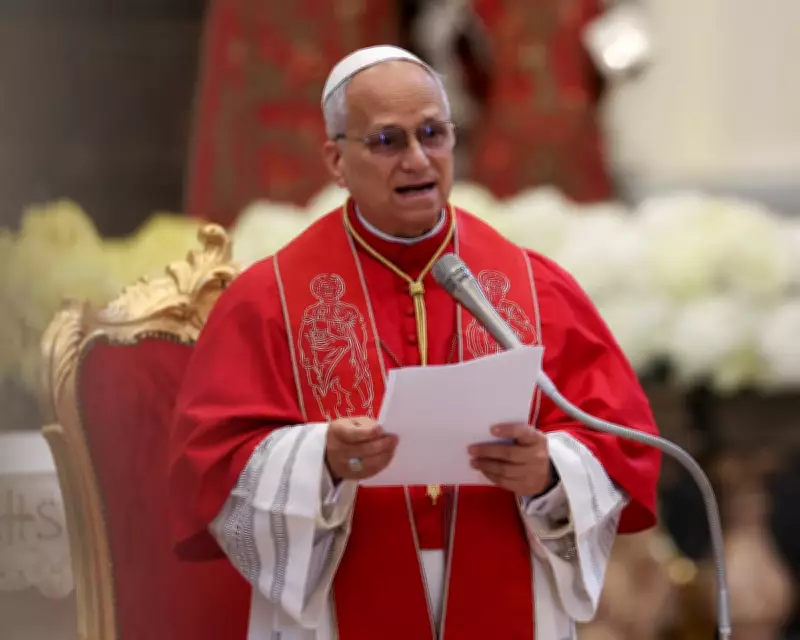
Pope Leo XIV delivered an unexpected address at the Vatican on Saturday, calling for a global ethical framework to govern artificial intelligence (AI). Speaking to a gathered audience in St. Peter's Square, the pontiff warned of the potential dangers of unchecked AI development, including job displacement, privacy erosion, and the amplification of social inequalities.
A Call for Human-Centered AI
The Pope emphasized that AI must serve humanity, not replace it. He stated that technological progress should be guided by moral principles that respect human dignity and promote the common good. 'We cannot allow algorithms to dictate our values,' he said, urging world leaders to collaborate on regulations that ensure transparency and accountability in AI systems.
Global Reactions
The address drew immediate reactions from tech executives, policymakers, and ethicists. Many praised the Pope's intervention as timely, given the rapid advancement of AI tools like chatbots and autonomous systems. Others noted the Vatican's growing engagement with technology issues, following previous statements on digital ethics.

- Tech leaders expressed openness to dialogue with religious institutions on AI governance.
- European Union officials welcomed the call for ethical standards, aligning with their proposed AI Act.
- Critics argued that the Church should focus on internal reforms rather than tech policy.
The Pope concluded by calling for a 'digital humanism' that prioritizes people over profits and machines. The Vatican has yet to announce specific follow-up actions, but sources indicate a potential summit on AI ethics later this year.