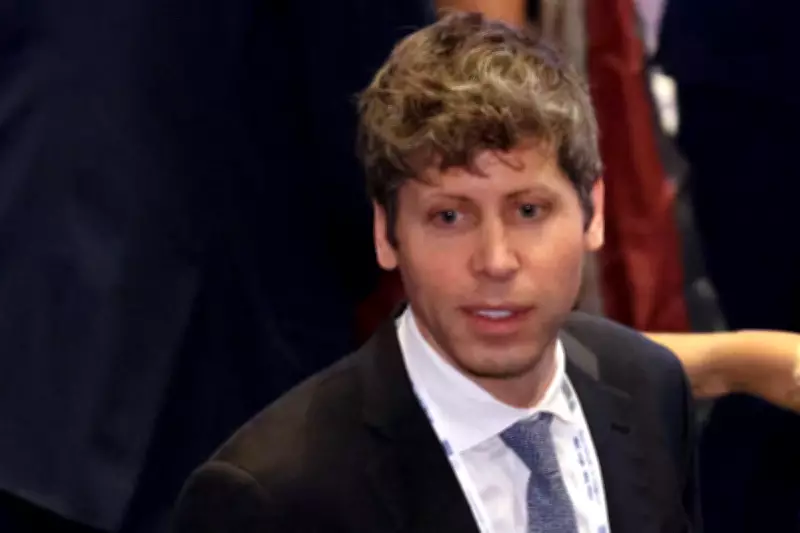
Sam Altman, the chief executive of OpenAI, the creator of ChatGPT, has robustly defended the substantial energy consumption associated with artificial intelligence systems by drawing a direct comparison to the biological needs of humans. This stance emerged during his participation in India's AI summit, where he addressed growing environmental concerns over the technology's footprint.
Energy Consumption Comparison Sparks Controversy
In remarks made to The Indian Express, Altman acknowledged that training AI models like ChatGPT requires significant energy, both during the initial development phase and ongoing operational use. However, he countered criticisms by highlighting the parallel resource demands of human development. "People talk about how much energy it takes to train an AI model – but it also takes a lot of energy to train a human," Altman stated. "It takes about 20 years of life – and all the food you consume during that time – before you become smart."
This analogy has ignited widespread criticism from experts and the public, who argue that it overlooks the intrinsic value of human life and oversimplifies the complex processes of human growth versus machine learning. Critics contend that equating AI training to human development neglects ethical considerations and the broader societal impacts of energy-intensive technologies.

Call for Clean Energy Solutions
Despite his defensive tone, Altman conceded that concerns about AI's energy use are "fair" and emphasised the urgent need for innovative energy solutions. He advocated for a rapid transition to cleaner power sources to sustain AI advancements. "We need to move towards nuclear or wind and solar very quickly," he asserted, echoing previous statements where he has promoted technologies like solar power and nuclear fusion as essential for powering AI in an environmentally responsible manner.
Altman's comments reflect a broader industry trend where tech leaders are grappling with the environmental costs of AI, as systems become more sophisticated and energy-hungry. The debate underscores the tension between technological progress and sustainability goals, with many calling for stricter regulations and greener practices in the tech sector.
Dismissal of Water Use Concerns
During the same conference, Altman also addressed worries about the water consumption involved in cooling data centres used for AI training, dismissing them as "fake." He acknowledged that such concerns "used to be true" but argued that current claims urging people to avoid AI due to water use are "completely untrue" and "totally insane."
This dismissal has further fueled the controversy, with environmental advocates pointing to documented cases of high water usage in data centres and stressing the importance of holistic assessments of AI's ecological impact. The remarks highlight a divide between industry perspectives and environmental advocacy, raising questions about transparency and accountability in tech development.
Overall, Altman's defense of AI energy use, while advocating for clean energy, has sparked a heated discussion on balancing innovation with environmental stewardship, as the world increasingly relies on artificial intelligence for various applications.