Smart Home Tech Backlash: Lockouts, Fees, and Privacy Fears Rise
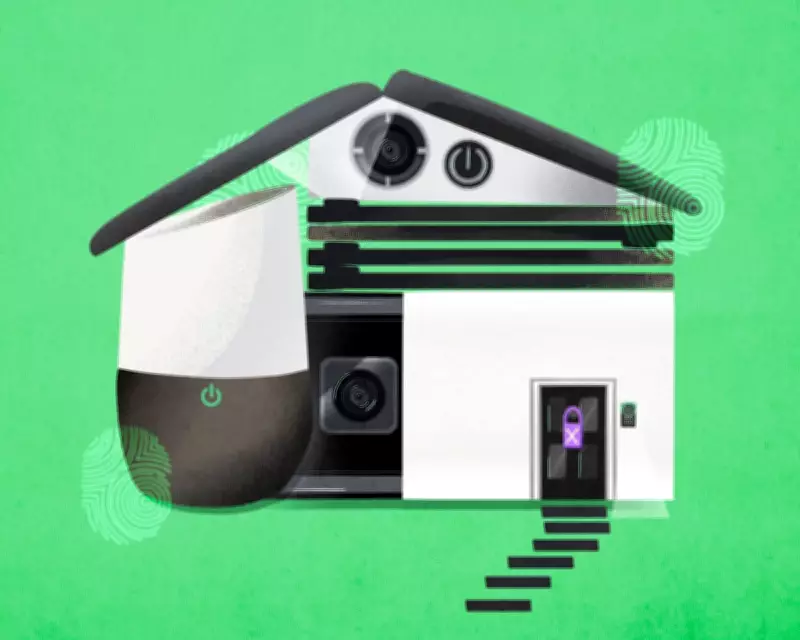
In the early 2020s, Australia witnessed a significant boom in smart-home technology, driven by the convenience of internet-connected devices. However, years later, many early adopters are experiencing buyer's remorse as these gadgets often fail to deliver on their promises, leading to frustrations like being locked out of homes or facing unexpected monthly fees.
The Irony of Smart Devices
Elly Bailey, a technology reviewer with over 1.1 million TikTok followers, discovered a humorous yet frustrating flaw in her Google Nest doorbell. While it allowed her to see and speak to visitors remotely, it only sent notifications to her phone, missing deliveries when she was at home but away from her device. "The crazy irony is the doorbell itself does make a little ding-dong sound when you press the button, but it's only loud enough for the person at the door to hear it," she explains. Her experience highlights a common issue: smart tech designed to simplify life can sometimes complicate it instead.
Widespread Disappointments and Failures
Bailey is not alone in her scepticism. Social media and review sites are filled with stories of smart locks malfunctioning, leaving homeowners stranded for days, or smart lights failing during power outages. Georgina Wilson, an architect in Sydney, learned this the hard way when her smart keypad was damaged by water, necessitating an expensive locksmith callout. "We've seen clients unable to flush toilets, lock front doors, or exit garages during power outages," she reports, underscoring the vulnerabilities of these systems.

Subscription Models and Repair Challenges
Beyond hardware failures, subscription fees for basic devices like doorbells and thermostats have become a point of contention. Daniel Vasilevski, an electrician in Sydney, estimates that 15 to 20% of his callouts now involve smart tech issues, with some clients opting to have their systems completely removed. "It isn't worth the hassle, most of the time," he says, noting that many electricians avoid these jobs due to their complexity and lack of after-sale support from lower-end suppliers.
Cybersecurity and Privacy Risks
The problems extend beyond inconvenience to more sinister threats. Smart homes are prime targets for cybercriminals, with incidents like the hacking of over 120,000 smart cameras in South Korea last year. Emily Holyoake, a cyber and home-security expert in Canberra, warns of technology-facilitated domestic abuse, where ex-partners exploit access to smart devices to monitor or control victims. Renters also face privacy concerns, as smart locks can enable landlords to track their movements.
Expert Recommendations for Safer Adoption
Despite these challenges, experts don't advocate abandoning smart tech entirely. Instead, they recommend a cautious, intentional approach. Holyoake suggests regular security checks, changing default passwords, and ensuring data privacy. "Always ask: who has access to my data and where is it stored?" she advises. Some devices, like smart curtains, are praised for their reliability, but overall, a hybrid setup—mixing smart and traditional elements—is gaining popularity.
Embracing a Hybrid Home
Elly Bailey exemplifies this trend, opting for a consciously dumb home despite her tech-savvy background. She keeps her smart doorbell for its benefits but avoids other connected gadgets. "Ultimately I'm an old-school millennial who's very happy to put my washing on myself," she says, suggesting that simplicity can sometimes be the smarter choice. As the smart home market evolves, consumers are learning to balance innovation with practicality to avoid the pitfalls of over-reliance on technology.